


Glass Centrifuge Tube
What Is Glass Centrifuge Tube
A glass centrifuge tube is a laboratory tool used for centrifugation, a process that involves spinning a solution rapidly to separate its components by density. The tube is typically made of durable glass material and is designed to withstand the high centrifugal forces generated during the centrifugation process. Glass centrifuge tubes are preferred for their transparency, which allows for easy observation of the separation process. They are available in different sizes and volumes to accommodate various sample sizes and centrifugation requirements. It's important to clean and maintain glass centrifuge tubes properly to prevent contamination and ensure accurate experimental results. Always handle the tubes with care to avoid cracking or breaking due to their fragile nature.
Advantages of Glass Centrifuge Tube
Durability and longevity
Glass centrifuge tubes are made of high-quality glass, ensuring their durability and longevity. They can withstand repeated use and cleaning and are suitable for long-term use in the laboratory. Glass also blocks most chemicals, making them less likely to react with the substance being processed.
Precision and accuracy
Glass centrifuge tubes are highly precise and accurate. The glass material used in its construction ensures that the tube is free of impurities or contaminants that could affect the purity of the product. This makes them suitable for use in experiments where precision and accuracy are critical, such as analytical chemistry or biochemistry experiments.
Versatility
Glass centrifuge tubes are versatile and suitable for a variety of applications. They can be used for centrifugation, separation and concentration of samples. These tubes can be placed in a centrifuge and spun at high speed to separate components based on density. This allows target substances to be purified and separated with high precision.
Temperature resistance
Glass centrifuge tubes can withstand high temperatures, making them suitable for use in heat-resistant applications. This allows them to be used in conjunction with heating blocks or hot water baths, further increasing experimental flexibility and reproducibility.
Cost-effectiveness
Glass centrifuge tubes are relatively cost-effective compared to other laboratory equipment. While they may cost more upfront, their durability and longevity means they can be reused over time, reducing the overall cost of each experiment. Additionally, glass centrifuge tubes are generally less expensive than plastic centrifuge tubes, providing a more cost-effective alternative for many applications.
Compatibility with other laboratory equipment
Glass centrifuge tubes are compatible with most laboratory equipment and accessories. They can be attached to pipettes, filters and other laboratory tools to facilitate sample handling and processing. This compatibility increases experimental efficiency and convenience.
-
![Glass 15ml 25ml 50ml Conical Centrifuge Tubes without Graduation]() Glass 15ml 25ml 50ml Conical Centrifuge Tubes without Gra...Glass centrifuge tubes are made of high quality glass with excellent mechanical strength, heat and chemical resistance. Glass conical centrifuge tubes are used for a wide range of applications...read more
Glass 15ml 25ml 50ml Conical Centrifuge Tubes without Gra...Glass centrifuge tubes are made of high quality glass with excellent mechanical strength, heat and chemical resistance. Glass conical centrifuge tubes are used for a wide range of applications...read more -
![Graduated 5ml 10ml Glass Centrifuge Tube with Graduation]() Graduated 5ml 10ml Glass Centrifuge Tube with GraduationGlass Graduated Centrifuge Tube are made of high-quality borosilicate glass and designed for use in centrifugation processes, which provides excellent mechanical strength, chemical resistance, and...read more
Graduated 5ml 10ml Glass Centrifuge Tube with GraduationGlass Graduated Centrifuge Tube are made of high-quality borosilicate glass and designed for use in centrifugation processes, which provides excellent mechanical strength, chemical resistance, and...read more


Why Choose Us
Advanced equipment
A machine, tool or instrument designed with advanced technology and functionality to perform highly specific tasks with greater precision, efficiency and reliability.
High quality
Our products are manufactured or executed to a very high standard, using the finest materials and manufacturing processes.
Professional team
Our professional team collaborates and communicates effectively with each other, and is dedicated to delivering high quality results. We are capable of handling complex challenges and projects that require our specialized expertise and experience.
Quality control
We have built a professional quality control team to accurately inspect every raw material and every production process.
Customized services
We understand that each customer has unique manufacturing needs. That’s why we offer customization options to cater to your specific requirements.
24H online service
We try and respond to all concerns within 24 hours and our teams are always at your disposal in case of any emergencies.
Conical centrifuge tubes
Conical centrifuge tubes are the most commonly used type of centrifuge tube. They have a conical shape with a wider opening at the bottom and a narrower opening at the top, which allows for easy decanting of the supernatant after centrifugation.
Flat-bottomed centrifuge tubes
Flat-bottomed centrifuge tubes have a flat bottom rather than a conical shape. They are ideal for samples that require more surface area, such as blood samples.
Round-bottomed centrifuge tubes
Round-bottomed centrifuge tubes have a round bottom rather than a conical shape. They are ideal for samples that require more surface area and are commonly used for cell cultures.
Thermal shock-resistant centrifuge tubes
Thermal shock-resistant centrifuge tubes are designed to withstand sudden changes in temperature, making them ideal for use in centrifuges that use high-speed rotation.
Heavy-duty centrifuge tubes
Heavy-duty centrifuge tubes are designed for use in high-throughput applications and can withstand the high forces generated by centrifugation. They are thicker and more durable than regular centrifuge tubes.
Specialty centrifuge tubes
Specialty centrifuge tubes are designed for specific applications and may have unique features such as filters or stoppers.
How to Store Glass Centrifuge Tube
Choose the right location
Store glass centrifuge tubes in a dry, clean, and dust-free area. Avoid storing them in direct sunlight or areas with high humidity, as this can cause warping or cracking of the tubes.
Use a protective container
Store glass centrifuge tubes in a protective container, such as a plastic or metal case, to prevent damage. The container should be sturdy enough to withstand any pressure or impact and should have a tight-fitting lid to prevent any dust or debris from entering.
Arrange the tubes properly
When arranging the tubes in the container, ensure that they are placed upright and separated from each other to prevent any breakage. Use separators, such as foam or silicone, to keep the tubes in place and prevent any movement during transportation.
Label the tubes
Label the tubes with a permanent marker to identify their size, capacity, and any other relevant information. This can help in quick identification and avoid confusion when using the tubes for experimental procedures.
Avoid mixing with other materials
Avoid storing glass centrifuge tubes with other laboratory equipment, as this can cause damage or scratching. Store them separately to prevent any potential hazards.
Inspect regularly
Regularly inspect the tubes for any damage or cracks. Check the container for any leaks or damage and replace it if necessary.
Handle with care
When handling glass centrifuge tubes, always use caution to prevent any damage or breakage. Use gloves and avoid any sharp or pointed objects that can scratch the tubes.
Clean before storage
Ensure that the tubes are clean and free of any residue before storage. This can help prevent any potential contamination and ensure accurate experimental results.
Medical Diagnostics
Glass centrifuge tubes are commonly used in medical diagnostics to separate blood components, such as red blood cells, white blood cells, and platelets. The separated components can then be analyzed to diagnose diseases, such as anemia, leukemia, and clotting disorders.
Scientific Research
Glass centrifuge tubes are widely used in scientific research to separate and purify cells, DNA, and other biomolecules. They are also used in cell culture studies to separate cells and culture media.
Environmental Analysis
Glass centrifuge tubes are used in environmental analysis to separate and concentrate contaminants, such as heavy metals and pesticides, from water and soil samples.
Industrial Applications
Glass centrifuge tubes are used in industrial applications, such as mining and waste management, to separate and purify minerals and other materials.
Sample Preparation
Glass centrifuge tubes are used in sample preparation for various analytical techniques, such as spectroscopy, chromatography, and mass spectrometry. They are used to separate and concentrate the analytes of interest, which can improve the accuracy and sensitivity of the analytical methods.
Cell Separation
Glass centrifuge tubes are used in cell separation studies to isolate specific cell types, such as T cells, B cells, and stem cells. The separated cells can then be further analyzed or used in cell-based therapies.
Viral Concentration
Glass centrifuge tubes are used in viral concentration studies to separate and purify viruses from infected cell cultures. The purified viruses can then be analyzed or used in vaccine production.
Precautions When Using Glass Centrifuge Tube
Handle with care
Glass centrifuge tubes are fragile and can easily break if not handled with care. Always use gloves and avoid any sharp or pointed objects that can scratch the tubes. When handling the tubes, hold them by the edges and avoid any pressure on the sides or bottom.
Use appropriate containers
When transporting or storing glass centrifuge tubes, use appropriate containers that can withstand any pressure or impact. Avoid using containers that are too tight or too loose, as this can cause damage to the tubes. Use protective foam or silicone separators to keep the tubes in place and prevent any movement during transportation.
Avoid excessive heat
Glass centrifuge tubes can withstand high temperatures, but excessive heat can cause damage or even cause the tubes to explode. Always follow the manufacturer's guidelines for the maximum temperature that the tubes can withstand. When heating the tubes, use a controlled heat source, such as a hot plate, and avoid any sudden temperature changes.
Use proper cleaning agents
Glass centrifuge tubes should be cleaned thoroughly before and after use to prevent contamination. However, it's important to use appropriate cleaning agents that are safe for the tubes and won't cause any damage. Avoid using abrasive cleansers or any chemicals that can etch or scratch the tubes.
Inspect regularly
Regularly inspect the tubes for any damage or cracks. Check the bottom of the tubes, as this is the most common area for breakage. If any damage is found, discard the tube and replace it with a new one.
Use appropriate centrifuge speeds
Glass centrifuge tubes are designed for use with specific centrifuges and maximum speeds. Always follow the manufacturer's guidelines for the maximum centrifuge speed that the tubes can withstand. Exceeding the maximum speed can cause the tubes to explode and potentially cause injury or damage to the centrifuge.
Avoid mixing with other materials
Avoid storing glass centrifuge tubes with other laboratory equipment, as this can cause damage or scratching. Store them separately to prevent any potential hazards.
Use proper personal protective equipment
When using glass centrifuge tubes, always wear appropriate personal protective equipment, such as gloves, goggles, and a lab coat. This can help prevent any skin or eye contact with any chemicals or broken glass.
Choose the right centrifuge
The first step in installing glass centrifuge tubes is to select the appropriate centrifuge for your needs. Centrifuges come in various sizes and speeds, and it's essential to choose one that is compatible with the sample volume and centrifugation protocol.
Inspect the centrifuge tubes
Before installing the centrifuge tubes, it's essential to inspect them for any defects or cracks. Damaged tubes can break under high centrifugation forces and cause injury or damage to the centrifuge.
Place the centrifuge tubes
Once you have selected the appropriate centrifuge and inspected the tubes, you can begin installing them. Centrifuge tubes are placed in the centrifuge rotor, which is a circular basket that holds the tubes in place during centrifugation. The tubes are placed in the rotor according to the manufacturer's instructions, and the rotor is secured in the centrifuge.
Add the sample
Once the centrifuge tubes are in place, you can add the sample to be centrifuged. The sample is added to the tubes according to the manufacturer's instructions, and the tubes are closed to prevent any leaks during centrifugation.
Set the centrifugation parameters
The centrifugation parameters, such as speed, time, and temperature, are set according to the manufacturer's instructions and the sample requirements. It's essential to ensure that the parameters are set correctly to avoid damaging the sample or the centrifuge tubes.
Start the centrifuge
Once the centrifugation parameters are set, you can start the centrifuge. The centrifuge will spin at high speed, separating the sample components according to their density.
Carefully remove the centrifuge tubes
Once the centrifugation is complete, it's essential to carefully remove the centrifuge tubes to avoid any damage or injury. The tubes are removed from the rotor according to the manufacturer's instructions, and the sample is retrieved for further analysis or processing.
How Do I Choose the Right Glass Centrifuge Tube
Material
Glass centrifuge tubes are commonly used due to their high resistance to heat and chemicals. However, it's important to choose the right type of glass material based on the sample and experimental requirements. Borosilicate glass is a popular choice due to its high resistance to thermal shock and chemical corrosion.
Size and capacity
Centrifuge tubes come in different sizes and capacities, depending on the sample volume and experimental requirements. It's important to choose the right size and capacity to ensure accurate separation and purification of the sample. Always check the maximum volume and recommended centrifugation speed for the tube before use.
Shape
Centrifuge tubes come in different shapes, such as conical, round, and cylindrical. The shape of the tube can affect the separation and purification of the sample. It's important to choose the right shape based on the sample and experimental requirements.
Quality
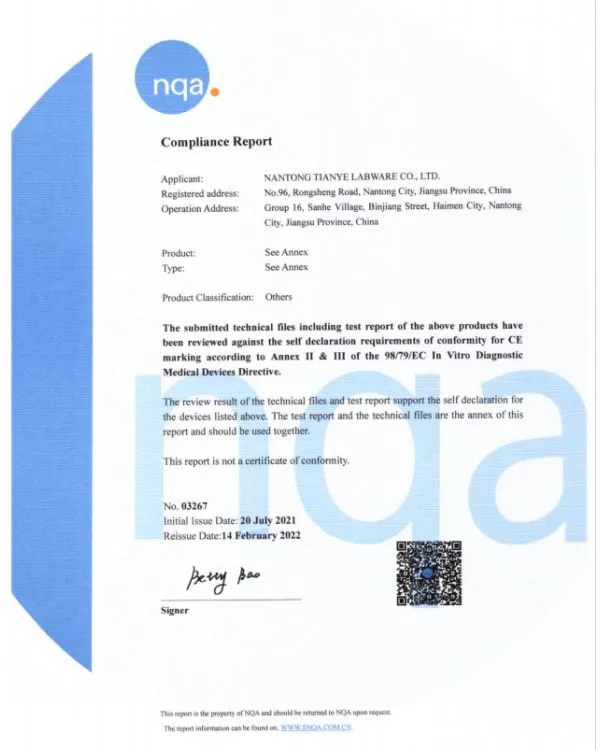
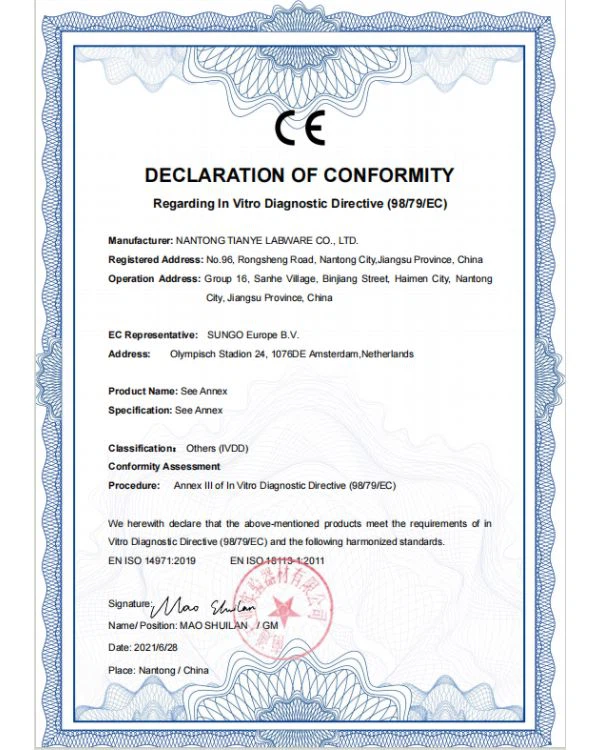
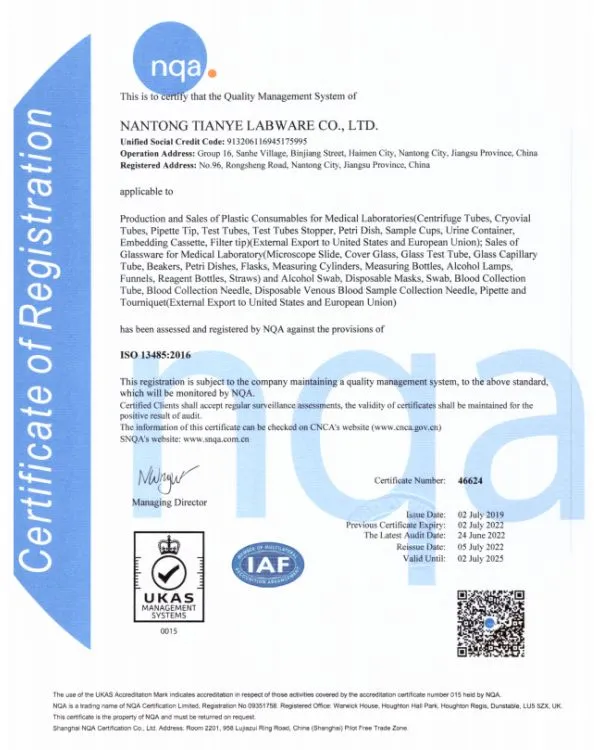
The quality of the glass centrifuge tube is crucial for safe laboratory practices. Always choose high-quality tubes that meet the required standards and specifications. Check the manufacturer's information and certifications before purchasing.
Compatibility
The centrifuge tube must be compatible with the centrifuge machine and other laboratory equipment. Always check the manufacturer's guidelines for the recommended centrifuge machine and other equipment.
Price
The price of the centrifuge tube can vary depending on the material, size, and quality. It's important to choose the right tube based on the experimental requirements and budget. However, it's always better to prioritize quality over price to ensure safe and accurate laboratory practices.
Personal preferences
Personal preferences can also affect the choice of the centrifuge tube. Some researchers may prefer a specific brand or type of tube based on their previous experience or personal preference.
What Are Glass Centrifuge Tubes Made Of?
Centrifuges are essential laboratory equipment used for the separation of particles and fluids based on their density. Glass centrifuge tubes are a type of centrifuge tube made of glass material. Glass centrifuge tubes are typically made of borosilicate glass, a type of glass with a high content of boron trioxide. Borosilicate glass has excellent thermal shock resistance and can withstand sudden changes in temperature without cracking or breaking. This makes it ideal for use in centrifuges, where the tubes may be exposed to high-speed rotation and rapid temperature changes. Borosilicate glass has excellent chemical resistance and can withstand exposure to most acids, alkalis, and solvents. This makes it suitable for use in applications where corrosive chemicals are used. Glass centrifuge tubes are precision-blown to ensure uniform wall thickness and precise dimensions. This ensures accurate separation of particles and fluids in centrifugation experiments. Glass centrifuge tubes are autoclavable and can be sterilized using moist heat at high temperature and pressure. This makes them suitable for use in cell culture, microbiology, and other applications requiring sterile conditions. Glass centrifuge tubes are available in various sizes and volumes, making them suitable for a wide range of applications. They can be used for separation of cells, bacteria, viruses, and other particles in biological and biochemical applications.
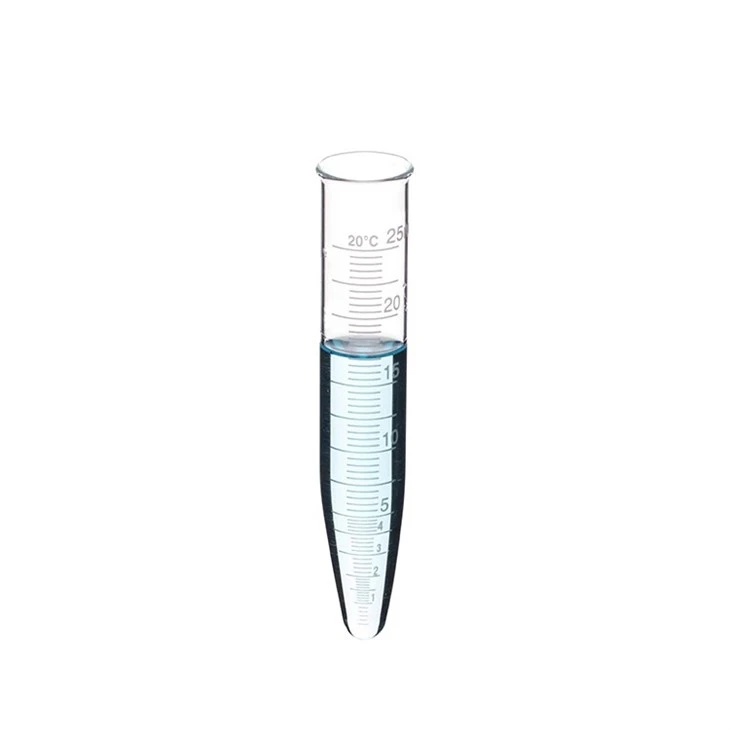
What Are the Sizes of Glass Centrifuge Tubes?
Centrifuge tubes are an essential tool in scientific laboratories for the separation and analysis of samples through centrifugation. They are commonly made of glass or plastic and come in various sizes to accommodate different volumes of samples. This is a standard size for glass centrifuge tubes and is commonly used for holding samples ranging from 10 to 50 mL. They are cylindrical in shape with a round bottom and have a capacity of 30 mL. This is a slightly larger size of glass centrifuge tubes and is commonly used for holding samples ranging from 25 to 100 mL. They are cylindrical in shape with a round bottom and have a capacity of 50 mL. This is a longer and narrower size of glass centrifuge tubes and is commonly used for holding larger volumes of samples ranging from 50 to 250 mL. They are cylindrical in shape with a round bottom and have a capacity of 100 mL. This is a larger size of glass centrifuge tubes and is commonly used for holding samples ranging from 50 to 250 mL. They are cylindrical in shape with a round bottom and have a capacity of 100 mL. This is a larger size of glass centrifuge tubes and is commonly used for holding samples ranging from 50 to 250 mL. They are cylindrical in shape with a tapered bottom and have a capacity of 100 mL. This is the largest size of glass centrifuge tubes and is commonly used for holding larger volumes of samples ranging from 100 to 500 mL. They are cylindrical in shape with a tapered bottom and have a capacity of 200 mL.
Can Glass Centrifuge Tubes Be Autoclaved?
Centrifuges are essential laboratory equipment used for the separation of particles and fluids based on their density. Glass centrifuge tubes are a type of centrifuge tube made of glass material. Glass centrifuge tubes are autoclavable and can be sterilized using moist heat at high temperature and pressure. This makes them suitable for use in cell culture, microbiology, and other applications requiring sterile conditions. The material of the centrifuge tubes is crucial when considering their autoclavability. Glass centrifuge tubes are typically made of borosilicate glass, a type of glass with a high content of boron trioxide. Borosilicate glass has excellent thermal shock resistance and can withstand sudden changes in temperature without cracking or breaking. This makes it ideal for use in centrifuges, where the tubes may be exposed to high-speed rotation and rapid temperature changes. The design of centrifuge tubes can also affect their autoclavability. Glass centrifuge tubes are precision-blown to ensure uniform wall thickness and precise dimensions. This ensures accurate separation of particles and fluids in centrifugation experiments. The precision-blown design also ensures that the tubes can withstand the high pressure and temperature of the autoclaving process without cracking or breaking. When autoclaving glass centrifuge tubes, it's crucial to follow proper safety precautions to prevent potential hazards.

Centrifuge tubes are an essential tool in scientific laboratories for the separation and analysis of samples through centrifugation. They are commonly made of glass or plastic and come in various sizes and shapes. While plastic centrifuge tubes are commonly used for storing samples long-term, can glass centrifuge tubes be used for the same purpose? Glass centrifuge tubes are chemically inert and do not react with most chemicals, making them suitable for storing samples that require a stable environment. However, it's crucial to ensure that the sample is compatible with the glass material to prevent any chemical reactions that may affect the sample quality. Glass centrifuge tubes can withstand high temperatures and are suitable for storing samples that require long-term storage at low temperatures. They are also resistant to thermal shock, making them suitable for freezing and thawing cycles. Glass centrifuge tubes can be autoclaved multiple times without compromising their structural integrity, making them suitable for storing samples that require sterile conditions. However, it's crucial to ensure that the autoclaving conditions are compatible with the sample and the storage period. Glass centrifuge tubes come in various sizes and shapes, and it's crucial to choose the appropriate size for the sample volume. Overfilling or underfilling the tubes may affect the sample quality and compromise the integrity of the tubes. The type of sample being stored also affects the suitability of glass centrifuge tubes for long-term storage. Some samples may require special storage conditions, such as anaerobic conditions or specific pH ranges, which may not be achievable with glass centrifuge tubes.
Our factory
Hongqing New Way Trading Co., Limited located Chongqing, in the south west of China. Neway is a Modern Enterprise which specialized in developing, manufacturing and marketing of lab glasswares, plastic disposables and medical consumables, which has a complete independent research and industrial line.With perfect organization and advanced management, Neway has one professional work team which engaged in the products development and production control. We have already established relationship for product development cooperation with a number of well known domestic and foreign companies. Our main products include medical consumables, laboratory plastic consumables and glass products. We have more than three hundred products, such as blood collection tube, blood lancets, bandages, female swabs, centrifuge tube, test tube, pipette tip, petri dish, cuvettes, glass slide, glass beakers and others, all the products can do OEM as customer required.


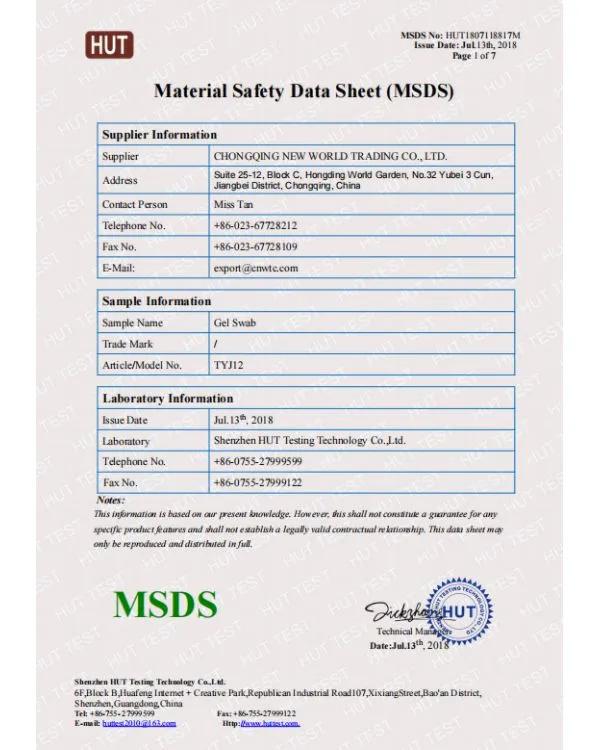
Our Certificate
FAQ
Q: What is a glass centrifuge tube?
Q: What are the sizes of glass centrifuge tubes?
Q: What are the uses of glass centrifuge tubes?
Q: Can glass centrifuge tubes be used in high-speed centrifugation?
Q: Can glass centrifuge tubes be used for low-speed centrifugation?
Q: Can glass centrifuge tubes be autoclaved?
Q: Can glass centrifuge tubes be used for freezing samples?
Q: Can glass centrifuge tubes be used for storing samples long-term?
Q: Can glass centrifuge tubes be used for light-sensitive samples?
Q: Can glass centrifuge tubes be used for hazardous substances?
Q: Can glass centrifuge tubes be used for DNA extraction?
Q: Can glass centrifuge tubes be used for protein purification?
Q: Can glass centrifuge tubes be used for cell culture?
Q: Can glass centrifuge tubes be used for microorganism culture?
Q: Can glass centrifuge tubes be used for clinical diagnostics?
Q: Can glass centrifuge tubes be used for liposome preparation?
Q: Can glass centrifuge tubes be used for small molecule separation?
Q: Can glass centrifuge tubes be used for environmental analysis?
Q: Can glass centrifuge tubes be used for quality control testing?
Q: Can glass centrifuge tubes be used for educational purposes?
We're well-known as one of the leading glass centrifuge tube manufacturers in China. If you're going to buy cheap glass centrifuge tube in stock, welcome to get quotation and free sample from our factory. Good service and low price are available.
Centrifuge Tube Without Graduation, Glass Centrifuge Tube