


Stirrer Rods
What Are Stirrer Rods
Stirrer rods, also known as glass stirring rods or glass wands, are laboratory tools commonly used in scientific experiments and procedures. They are typically made of durable, heat-resistant glass and have a uniform diameter along their length. Stirrer rods are used to mix and stir liquids, powders, and other materials in beakers, flasks, and other laboratory vessels. They are often used in conjunction with other laboratory equipment, such as hot plates, magnetic stirrers, and hot air baths. Stirrer rods are an essential tool in many scientific fields, including chemistry, biology, and physics, and are widely used in educational institutions, research facilities, and manufacturing plants. Their simple design and versatility make them a staple in any laboratory.
Advantages of Stirrer Rods
Efficient mixing
The stir bar provides efficient mixing, ensuring that substances are evenly distributed within the container. This is critical in experiments where uniformity is critical, such as chemical reactions or biological assays. The stirring rod's ability to rotate at different speeds allows for precise control of the mixing process, resulting in more reproducible results.
Versatility
Stirring sticks are versatile and can be used in a variety of applications. They are commonly found in laboratories, but have uses beyond traditional laboratory settings. For example, stir sticks can be used in the food industry to mix batters or sauces, or even in manufacturing to mix materials.
Easy to use
The stir stick is simple to use and requires minimal training or expertise. Users can easily attach the stem to a mixing mechanism, such as an electric stir plate or magnetic stirrer, and start mixing their contents. The simple design of the stir bar ensures easy operation even for novice lab users.
Portability
Stirring bars are lightweight and easy to transport, making them convenient for use when working in the field or away from traditional laboratory environments. This portability enables scientists to perform hybrid tasks wherever needed, whether in the lab, in the field, or even at a remote research station.
-
![Lab Multiple 330mm Glass Stirrer Rods with Rounded Ends On Both Sides]() Lab Multiple 330mm Glass Stirrer Rods with Rounded Ends O...Multiple stirrer rods with rounded ends are versatile tools for stirring and mixing liquids in laboratory applications. Designed to be durable and easy to clean, they are suitable for a wide range...read more
Lab Multiple 330mm Glass Stirrer Rods with Rounded Ends O...Multiple stirrer rods with rounded ends are versatile tools for stirring and mixing liquids in laboratory applications. Designed to be durable and easy to clean, they are suitable for a wide range...read more -
![Chemistry Lab Pyrex Glass Stirring Rod 330mm Glass Stirrer Rod]() Chemistry Lab Pyrex Glass Stirring Rod 330mm Glass Stirre...Glass stirring rods are rods used to stir liquids. They are stirring rods made of glass. Chemistry laboratory glass rods are available in different sizes, ranging from a few centimetres to around...read more
Chemistry Lab Pyrex Glass Stirring Rod 330mm Glass Stirre...Glass stirring rods are rods used to stir liquids. They are stirring rods made of glass. Chemistry laboratory glass rods are available in different sizes, ranging from a few centimetres to around...read more


Why Choose Us
Advanced equipment
A machine, tool or instrument designed with advanced technology and functionality to perform highly specific tasks with greater precision, efficiency and reliability.
High quality
Our products are manufactured or executed to a very high standard, using the finest materials and manufacturing processes.
Professional team
Our professional team collaborates and communicates effectively with each other, and is dedicated to delivering high quality results. We are capable of handling complex challenges and projects that require our specialized expertise and experience.
Quality control
We have built a professional quality control team to accurately inspect every raw material and every production process.
Customized services
We understand that each customer has unique manufacturing needs. That’s why we offer customization options to cater to your specific requirements.
24H online service
We try and respond to all concerns within 24 hours and our teams are always at your disposal in case of any emergencies.
Types of Stirrer Rods
Glass stirrer rods
Glass stirrer rods are commonly used in scientific laboratories for mixing and stirring. They are inexpensive and easy to clean, but they can break if not handled carefully. Glass stirrer rods are often used in applications where the sample being stirred is also in a glass container.
Magnetic stirrer rods
Magnetic stirrer rods are made of magnetic material, such as steel or ceramic, and are used with a magnetic stirrer plate. The magnetic field created by the stirrer plate causes the stirrer rod to rotate, creating a stirring motion in the vessel. Magnetic stirrer rods are ideal for applications where precise and consistent mixing is required.
Teflon-coated stirrer rods
Teflon-coated stirrer rods are made of stainless steel and coated with teflon, a material that is non-reactive and resistant to corrosion. They are commonly used in applications where the sample being stirred is corrosive or acidic. The teflon coating prevents the stirrer rod from reacting with the sample and ensures that the sample remains uncontaminated.
Flexible stirrer rods
Flexible stirrer rods are made of flexible materials, such as silicone or teflon, and can be bent and shaped to fit the specific vessel being stirred. They are ideal for applications where the vessel has an irregular shape or requires a specific stirring pattern.
Motorized stirrer rods
Motorized stirrer rods are automated stirrer rods that use a motor to rotate the stirrer rod. They can be programmed to stir at specific speeds and times and are ideal for applications where precise and consistent stirring is required. They are commonly used in applications such as chemical reactions, cell cultures, and other scientific procedures.

How to Store Stirrer Rods
Choose an appropriate storage container
The storage container should be clean, dry, and free from dust and debris. Glass or plastic storage containers with lids are ideal for storing stirrer rods.
Organize the stirrer rods
Organize the stirrer rods by size, shape, and material. This will make it easier to locate the desired stirrer rod and prevent confusion. Labeling the storage container with the type and size of the stirrer rods can also help in quick identification.
Protect the stirrer rods
Protect the stirrer rods from damage by placing them in protective sleeves or cases. This will prevent the rods from getting bent or scratched and ensure their longevity.
Avoid cross-contamination
If the stirrer rods are used for different purposes, it's essential to label them accordingly and avoid cross-contamination. Store the stirrer rods separately according to their use to prevent contamination.
Inspect the stirrer rods regularly
Regular inspection of the stirrer rods can help identify any damage or defects. Check for any signs of corrosion, bending, or warping, and replace the stirrer rods if necessary.
Store in a dry and clean environment
Store the stirrer rods in a dry and clean environment away from moisture and dust. Humidity can cause corrosion and damage to the stirrer rods.
Avoid exposure to chemicals
Avoid exposing the stirrer rods to chemicals, as this can cause damage and affect their longevity. Store the stirrer rods away from any chemicals and ensure that they are stored in a safe and secure location.
Application of Stirrer Rods
Chemical reactions
Stirrer rods are commonly used in chemical reactions to ensure that the reactants are thoroughly mixed, allowing for a more efficient and complete reaction. This can help to improve the yield and quality of the final product.
Cell cultures
Stirrer rods are also used in cell culture applications to ensure that the cells are evenly distributed and receive adequate nutrients and oxygen. This can help to promote cell growth and division, leading to more accurate and reproducible experimental results.
Sample preparation
Stirrer rods are often used in sample preparation procedures to homogenize and mix the sample before analysis. This can help to improve the accuracy and precision of the analytical results by ensuring that the sample is representative of the entire material being analyzed.
Solvent extraction
Stirrer rods are commonly used in solvent extraction procedures to ensure that the solvents are thoroughly mixed with the sample, allowing for more efficient and complete extraction of the desired compounds.
Polymerization
Stirrer rods are also used in polymerization reactions to ensure that the monomers are thoroughly mixed, allowing for a more efficient and complete polymerization reaction. This can help to improve the quality and performance of the final polymer product.
Quality control
Stirrer rods are often used in quality control procedures to ensure that the materials being tested are thoroughly mixed and representative of the entire batch being analyzed. This can help to improve the accuracy and reproducibility of the quality control results, leading to more reliable and consistent product performance.
Precautions When Using Stirrer Rods
Choose the right size and shape
Choose the right size and shape of the stirrer rod based on the vessel being stirred. Using an inappropriate size or shape can cause damage to the vessel or the stirrer rod.
Handle with care
Handle the stirrer rods with care to prevent accidents or injuries. Always hold the stirrer rod securely and avoid dropping or slipping.
Use proper technique
Use proper technique when stirring to ensure accurate and consistent results. Always start stirring slowly and gradually increase the speed. Avoid splashing or boiling over the liquid being stirred.
Avoid contact with skin and eyes
Avoid contact of the stirrer rods with skin and eyes. Wear gloves and goggles when handling the stirrer rods to prevent any potential harm.
Regular cleaning and maintenance
Regular cleaning and maintenance of the stirrer rods are essential to prevent contamination and ensure accurate results. Clean the stirrer rods thoroughly after each use with appropriate cleaning agents.
Inspect the stirrer rods regularly
Regular inspection of the stirrer rods can help identify any damage or defects before they cause any harm. Check for any signs of corrosion, bending, or warping, and replace the stirrer rods if necessary.
Use in designated areas
Use stirrer rods only in designated laboratory areas and avoid using them in unauthorized areas. This can help prevent any potential hazards or accidents.
Follow proper safety procedures
Follow proper safety procedures when using stirrer rods, including wearing appropriate personal protective equipment, working in a well-ventilated area, and avoiding contact with hazardous chemicals.
How to Use Stirrer Rods
Stirrer rods are essential laboratory equipment used for mixing and stirring liquids, powders, and other materials in laboratory vessels such as beakers, flasks, and test tubes. They come in various types, sizes, and materials, depending on the specific application and requirements. Choose the appropriate type, size, and material of stirrer rods based on the specific application and requirements. Clean the laboratory vessel thoroughly with soap and water to remove any dirt or debris that may interfere with the stirring process. Insert the stirrer rod into the laboratory vessel. The length of the stirrer rod should be appropriate for the size of the vessel, with at least 2-3 inches protruding from the bottom of the vessel. Attach the stirring mechanism to the stirrer rod. This can be a magnetic stirrer plate, a motorized stirrer, or a manual stirrer. Make sure that the stirring mechanism is securely attached to the stirrer rod and that it is positioned correctly. Adjust the speed of the stirring mechanism to the appropriate setting. This will depend on the specific application and requirements, as well as the viscosity and density of the material being stirred. Start the stirring mechanism and observe the stirring process. Make sure that the stirrer rod is rotating smoothly and that the material being stirred is evenly mixed. Adjust the speed of the stirring mechanism as necessary to ensure that the material being stirred is thoroughly mixed. Stop the stirring mechanism when the stirring process is complete. Carefully remove the stirrer rod from the laboratory vessel, taking care not to spill any of the material being stirred. Clean the stirrer rod and the laboratory vessel thoroughly with soap and water to remove any residue or debris. Store the stirrer rod in a clean and dry place until it is needed again for the next experiment or procedure.
How Do I Choose the Right Stirrer Rods
Material
The material of the stirrer rods can affect their durability, chemical compatibility, and effectiveness in mixing different types of liquids. Common materials used for stirrer rods include stainless steel, glass, and plastic. Stainless steel is a popular choice due to its durability and resistance to corrosion, while glass and plastic stirrer rods are suitable for use with certain chemicals and applications.
Size and shape
The size and shape of the stirrer rods should be selected based on the vessel being stirred and the type of liquid being mixed. Long, thin stirrer rods are ideal for deep vessels, while shorter and wider rods may be better suited for shallow vessels. The shape of the stirrer rod should also match the shape of the vessel to ensure effective mixing.
Function
The function of the stirrer rods should be considered based on the specific application. Some stirrer rods may have features such as ball ends or hooks, which can help improve the effectiveness of stirring. Other stirrer rods may be designed for use with specific types of liquids, such as corrosive chemicals or high-viscosity fluids.
Quality
The quality of the stirrer rods is important to ensure durability and longevity. Look for stirrer rods that are made from high-quality materials and are well-constructed. Avoid cheaply made stirrer rods that may break or wear out quickly.
Cost
The cost of the stirrer rods can vary depending on the material, size, and quality. Consider the budget for your application and select stirrer rods that offer the best value for money based on their performance and durability.
Compatibility
Ensure that the stirrer rods are compatible with the vessel and the liquid being mixed. Some stirrer rods may not be suitable for use with certain chemicals or applications. Always consult material safety data sheets (msds) and follow proper protocols when working with corrosive chemicals.
What Are Stirrer Rods Made Of?
Stainless steel
Stainless steel is a popular choice for stirrer rods due to its durability, resistance to corrosion, and ability to withstand high temperatures. It is suitable for use with a wide range of chemicals and is ideal for applications that require frequent exposure to corrosive substances.
Glass
Glass stirrer rods are transparent, which makes it easy to monitor the mixing process. They are also resistant to many chemicals and can be used with a wide range of liquids. However, glass stirrer rods can be fragile and may not be suitable for use with abrasive substances.
Plastic
Plastic stirrer rods are lightweight and inexpensive, making them a popular choice for general laboratory use. They are suitable for use with many chemicals, but may not be as durable as stainless steel or glass.
Teflon
Teflon stirrer rods are non-stick and suitable for use with corrosive chemicals. They are also resistant to abrasion and can withstand high temperatures. However, teflon stirrer rods may be more expensive than other materials.
Aluminum
Aluminum stirrer rods are lightweight and inexpensive, but may not be as durable as stainless steel or glass. They are suitable for use with many chemicals, but may not be suitable for use with highly corrosive substances.
Wood
Wooden stirrer rods are inexpensive and suitable for use with many liquids, but may not be suitable for use with corrosive chemicals. They are also less durable than other materials.
A stirrer rod, also known as a stirring rod, is a laboratory tool used to mix liquids and powders. It consists of a long, thin rod that is inserted into the vessel containing the material to be stirred. The stirrer rod is then moved in a circular motion to create a vortex that promotes thorough mixing. The motion created by the stirring action of the rod causes the liquid to circulate, which in turn causes diffusion and mixing of the liquid's components. The stirring action also helps to prevent the formation of sediment or other solid particles that can settle at the bottom of the vessel. Stirrer rods are typically made of durable materials such as stainless steel or glass, and they come in various sizes and shapes to accommodate different types of vessels and mixtures. The size and shape of the stirrer rod are important factors to consider when selecting the appropriate tool for a given application. When using a stirrer rod, it is important to use proper technique to ensure effective stirring and to prevent injury or damage to the vessel or the stirrer rod. The stirrer rod should be inserted into the vessel at an angle, and the stirring motion should be smooth and consistent. The stirrer rod should also be lifted out of the vessel periodically to check the progress of the mixing. In addition to manual stirring, some stirrer rods can be used with mechanical stirrers, which use motors or other devices to create the stirring motion automatically. Mechanical stirrers can be more efficient and precise than manual stirring, especially for large or complex mixtures.

What Are the Different Sizes of Stirrer Rods?

Stirrer rods are essential laboratory tools used for stirring, mixing, and homogenizing liquids, powders, and other materials in laboratory vessels such as flasks, beakers, and test tubes. They come in various sizes, shapes, and materials depending on the application and the vessel being used. Small stirrer rods are typically between 10-20 cm in length and have a diameter of 2-5 mm. They are ideal for stirring small volumes of liquids or mixing powders in test tubes or small beakers. Medium stirrer rods are slightly larger than small stirrer rods and are typically between 20-30 cm in length and have a diameter of 5-8 mm. They are ideal for stirring larger volumes of liquids or mixing powders in medium-sized beakers or flasks. Large stirrer rods are the largest size commonly used in laboratories and are typically between 30-50 cm in length and have a diameter of 8-12 mm. They are ideal for stirring large volumes of liquids or mixing powders in large flasks or reaction vessels. Magnetic stirrer rods are a type of stirrer rod that uses magnetic fields to stir liquids. They come in various sizes and are typically made of magnetic materials such as stainless steel or neodymium. Magnetic stirrer rods are ideal for use with magnetic stirrers, which provide automated stirring and mixing of liquids. Flexible stirrer rods are made of flexible materials such as silicone or Teflon and can bend and twist to accommodate the shape of the vessel being stirred. They come in various sizes and are ideal for use in complex vessel shapes or when precise stirring is required. Adjustable stirrer rods are a type of stirrer rod that can be adjusted to different lengths and angles to accommodate various vessel sizes and shapes. They come in various sizes and are ideal for use when multiple vessel sizes need to be stirred.
Yes, stirrer rods can be used for viscous solutions. In fact, they are often used to help break down and mix viscous liquids and powders. However, it is important to select the appropriate size and shape of stirrer rod for the specific viscosity and other characteristics of the solution being stirred. When dealing with viscous solutions, the stirrer rod must be able to penetrate the solution effectively and create a vortex that promotes thorough mixing. This can be challenging with very viscous solutions, as they may resist the stirring action and require more force to achieve proper mixing. In such cases, a longer, thicker stirrer rod may be needed to provide the necessary stirring power. In addition to the size and shape of the stirrer rod, other factors such as the speed and direction of the stirring motion can also affect the effectiveness of the stirring process. For viscous solutions, it may be necessary to use a slower and more deliberate stirring motion to avoid splashing or other issues. It is also important to consider the potential for the viscous solution to adhere to the stirrer rod, which can make it more difficult to achieve proper mixing. In such cases, using a stirrer rod with a surface coating or other treatment that reduces adhesion may be helpful.
Our factory
Hongqing New Way Trading Co., Limited located Chongqing, in the south west of China. Neway is a Modern Enterprise which specialized in developing, manufacturing and marketing of lab glasswares, plastic disposables and medical consumables, which has a complete independent research and industrial line.With perfect organization and advanced management, Neway has one professional work team which engaged in the products development and production control. We have already established relationship for product development cooperation with a number of well known domestic and foreign companies. Our main products include medical consumables, laboratory plastic consumables and glass products. We have more than three hundred products, such as blood collection tube, blood lancets, bandages, female swabs, centrifuge tube, test tube, pipette tip, petri dish, cuvettes, glass slide, glass beakers and others, all the products can do OEM as customer required.


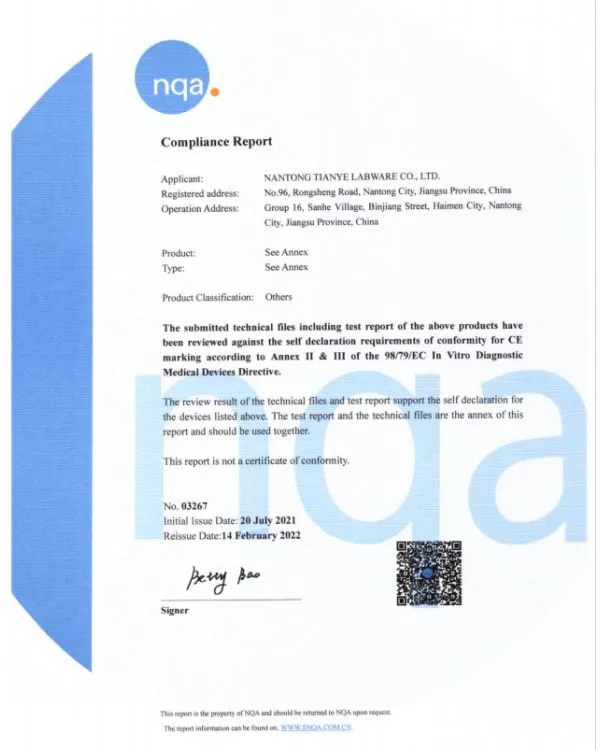
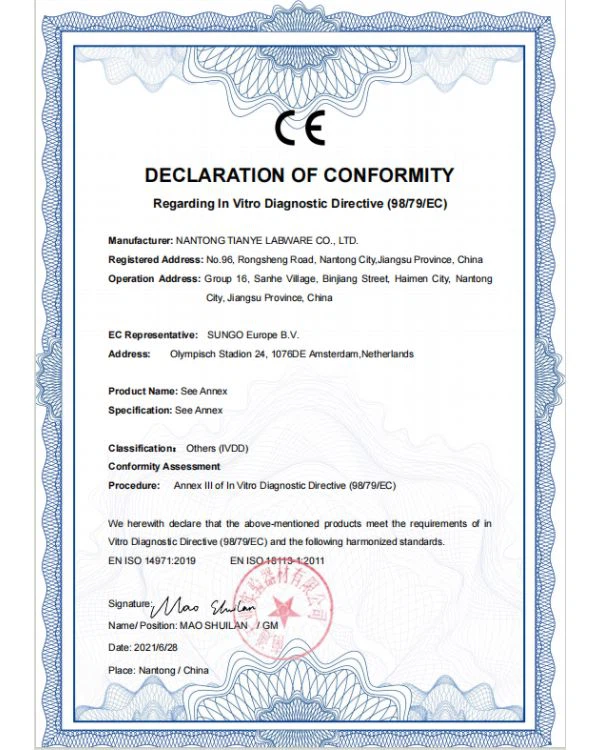
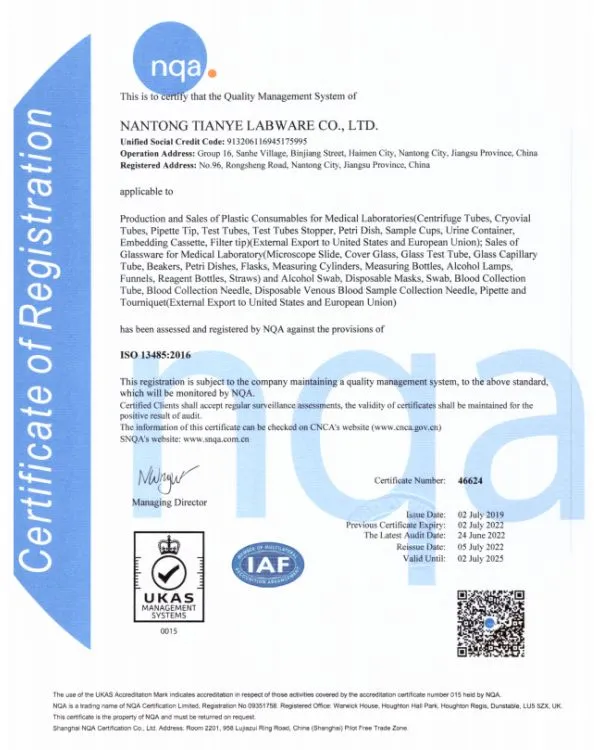
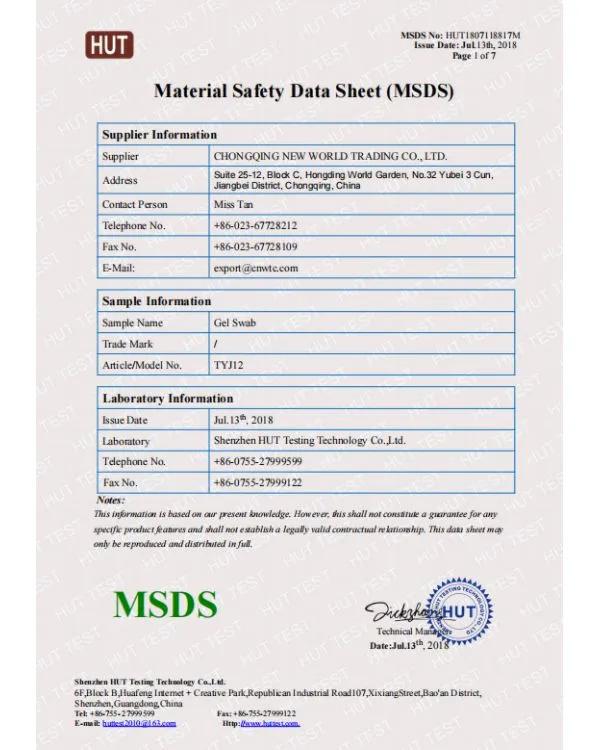
Our Certificate
FAQ
Q: What are the different sizes of stirrer rods?
Q: What is the purpose of a stirrer rod?
Q: How does a stirrer rod work?
Q: Can stirrer rods be used with corrosive chemicals?
Q: Can stirrer rods be used with high-temperature solutions?
Q: Can stirrer rods be used with magnetic stirrers?
Q: Can stirrer rods be used with non-magnetic containers?
Q: Can stirrer rods be used for viscous solutions?
Q: Can stirrer rods be used for homogenization?
Q: Can stirrer rods be used for dissolution testing?
Q: Can stirrer rods be used for sample preparation?
Q: Can stirrer rods be used for colorimetric assays?
Q: Can stirrer rods be used for cell culture applications?
Q: Can stirrer rods be used for nanoparticle synthesis?
Q: Can stirrer rods be used for emulsion formation?
Q: Can stirrer rods be used for sample degassing?
Q: Can stirrer rods be used for sample cooling or heating?
Q: Can stirrer rods be used for educational purposes?
Q: Can stirrer rods be reused?
Q: Can stirrer rods be customized?
We're well-known as one of the leading stirrer rods manufacturers in China. If you're going to buy cheap stirrer rods in stock, welcome to get quotation and free sample from our factory. Good service and low price are available.
Graham Boro 3 3 Glass Condenser Tubes With Coiled Inner Tube, Chemistry Lab Pyrex Glass Stirring Rod 330mm Glass Stirrer Rod, 330mm Glass Stirrer Rod