

Glass Desiccator
What Is Glass Desiccator
A glass desiccator is a laboratory instrument used for drying and preserving moisture-sensitive materials. It consists of a round, transparent glass flask with a ground-glass stopper that creates an airtight seal. The desiccant, such as silica gel or molecular sieve, is placed in the desiccator, and the stopper is sealed to remove any air or moisture. The desiccator can then be used to store items that require a dry environment, such as chemicals, pharmaceuticals, and electronic components. Glass desiccators are commonly used in research laboratories, manufacturing plants, and storage facilities where maintaining a dry environment is crucial. They are essential tools for preserving the quality and effectiveness of moisture-sensitive materials.
Advantages of Glass Desiccator
Durability
Glass desiccators are made from high-quality glass, which makes them extremely durable and sturdy. They can withstand rough handling and repeated use, ensuring a long lifespan even under rigorous laboratory conditions.
Chemical resistance
Glass desiccators are inert and resistant to most chemicals, making them suitable for use with a wide range of materials. This chemical resistance ensures that the desiccator won't react with the materials stored within it, preserving their integrity and purity.
Easy to clean
Glass desiccators are highly hygienic and easy to clean. They can be easily sterilized in an autoclave or disinfected with appropriate cleaning agents, ensuring that they remain free from contaminants. This makes them suitable for use in applications where cleanliness is essential, such as in the production of pharmaceuticals or in food processing facilities.
Temperature control
Glass desiccators often come with a built-in heating element or cold trap, allowing for precise control of the temperature within the desiccator. This temperature control is essential for maintaining the stability of sensitive materials that may be affected by changes in temperature.
Moisture absorption
Glass desiccators are excellent moisture absorbers, removing moisture from the air surrounding the stored materials. This moisture control is crucial for maintaining the quality of delicate or moisture-sensitive materials, such as powders, spices, or herbs. It also helps prevent the growth of mold or other microorganisms that might contaminate the stored materials.
Versatility
Glass desiccators are suitable for both laboratory and industrial applications. They can be used to store a wide range of materials, including powders, pellets, pastes, and liquids. The transparent glass allows for easy visual inspection of the contents without opening the desiccator.
-
![Lab Clear Glass 180mm Desiccator with Porcelain Plate]() Lab Clear Glass 180mm Desiccator with Porcelain PlateClear Desiccator with Porcelain Plate is made of made of high quality, heavy duty, borosilicate glass. A common use for desiccators is to protect chemicals which are hygroscopic or which react...read more
-
![210mm Amber Glass Desiccator with Porcelain Plate for Lab]() 210mm Amber Glass Desiccator with Porcelain Plate for LabAmber Desiccator is used in chemistry, biology, and material science research for storing and preserving samples such as hygroscopic chemicals, and biological specimens; ideal for drying,...read more
-
![Clear Glass Vacuum Desiccator with Ground in Stopcock and Porcelain Plate]() Clear Glass Vacuum Desiccator with Ground in Stopcock and...Glass Vacuum Desiccator is a standard laboratory apparatus with a glass vacuum valve for quick removal of air and moisture; it is perfect for drying, safeguarding, or storing materials sensitive...read more
-
![Laboratory Glass Brown Desiccator 300mm Vacuum Desiccator]() Laboratory Glass Brown Desiccator 300mm Vacuum DesiccatorBrown Vacuum Desiccator is used for drying materials via the use of PTFE vacuum valve for the removal of air and the creation of a vacuum, which removes moisture from the container. Laboratory...read more


Why Choose Us
Advanced equipment
A machine, tool or instrument designed with advanced technology and functionality to perform highly specific tasks with greater precision, efficiency and reliability.
High quality
Our products are manufactured or executed to a very high standard, using the finest materials and manufacturing processes.
Professional team
Our professional team collaborates and communicates effectively with each other, and is dedicated to delivering high quality results. We are capable of handling complex challenges and projects that require our specialized expertise and experience.
Quality control
We have built a professional quality control team to accurately inspect every raw material and every production process.
Customized services
We understand that each customer has unique manufacturing needs. That’s why we offer customization options to cater to your specific requirements.
24H online service
We try and respond to all concerns within 24 hours and our teams are always at your disposal in case of any emergencies.
Types of Glass Desiccator
Standard glass desiccator
The standard glass desiccator is the most common type of desiccator. It consists of a round, transparent glass flask with a ground-glass stopper that creates an airtight seal. The desiccant, such as silica gel or molecular sieve, is placed in the desiccator, and the stopper is sealed to remove any air or moisture.
01
Vacuum glass desiccator
The vacuum glass desiccator is designed to create a vacuum inside the desiccator to remove any air or moisture. This type of desiccator is commonly used for drying and preserving materials that require a high degree of dryness.
02
Heat-resistant glass desiccator
The heat-resistant glass desiccator is designed to withstand high temperatures, making it ideal for drying and preserving materials that require heat treatment. This type of desiccator is commonly used in research laboratories and manufacturing plants.
03
Miniature glass desiccator
The miniature glass desiccator is a smaller version of the standard desiccator. It is ideal for drying and preserving small samples, such as powders, pills, and capsules.
04
Custom glass desiccator
Custom glass desiccators are designed to meet specific customer requirements. They can be customized in size, shape, and material to suit the customer's needs. Custom desiccators are ideal for specialized applications that require unique features and specifications.
05
Clean and dry
Before storing a glass desiccator, it's essential to clean it thoroughly and dry it completely. Any residual moisture or debris can affect the desiccator's effectiveness and potentially cause damage. Use laboratory-grade detergent and water to clean the desiccator, then rinse it thoroughly with water and air dry it completely.
Store in a dry place
Desiccators should be stored in a dry place away from sources of moisture. Humidity can affect the effectiveness of the desiccator and potentially cause damage. Store the desiccator in a dry, well-ventilated area away from sources of moisture, such as windows, pipes, or air conditioning units.
Protect from breakage
Glass desiccators are fragile and can easily break if not handled with care. Always handle the desiccator with care and avoid dropping or banging it against hard surfaces. When storing the desiccator, use a protective cover or wrap it in foam or bubble wrap to prevent breakage.
Label and date
Always label the desiccator with its contents and the date it was last used. This helps to keep track of the desiccator and ensures that it's used within its shelf life.
Check regularly
Regularly check the desiccator to ensure that it's clean and dry and still effective. Check the silica gel or desiccant packs to ensure that they're still dry and haven't turned yellow or green, which indicates that they're no longer effective. Replace the desiccant packs as needed.
Avoid stacking
Never stack desiccators on top of each other, as this can cause damage and potentially break the desiccators. Always store desiccators separately and avoid stacking them on top of each other.
Use proper storage containers
Store desiccators in proper storage containers that protect them from damage and moisture. Use sturdy, moisture-resistant storage containers that are appropriately sized for the desiccator.
Application of Glass Desiccator
Drying and preserving samples
Glass desiccators are commonly used for drying and preserving moisture-sensitive samples. They are ideal for storing chemicals, pharmaceuticals, electronic components, and other materials that require a dry environment to maintain their quality and effectiveness.
Adsorption studies
Glass desiccators are used in adsorption studies to measure the amount of moisture absorbed by a substance. The desiccant is placed in the desiccator, and the sample to be tested is added. The desiccator is then sealed, and the amount of moisture absorbed by the sample is measured over time.
Chemical analysis
Glass desiccators are used in chemical analysis to dry and preserve samples for analysis. They are commonly used in gas chromatography, mass spectrometry, and other analytical techniques that require dry samples.
Material storage
Glass desiccators are used for storing moisture-sensitive materials, such as powders, pills, and capsules. They provide a dry and stable environment for storing these materials, ensuring their quality and effectiveness.
Quality control
Glass desiccators are used in quality control processes to ensure that moisture-sensitive materials meet the required standards. They are used to test the moisture content of raw materials, finished products, and intermediate products to ensure that they meet the required specifications.
Research and development
Glass desiccators are used in research and development laboratories for testing new materials, developing new products, and optimizing existing processes. They provide a controlled environment for testing and analyzing moisture-sensitive materials.
Precautions When Using Glass Desiccator
Handle with care
Glass desiccators are fragile and can easily break if not handled with care. Always handle the desiccator with care and avoid dropping or banging it against hard surfaces. Use gloves and a protective cover when handling the desiccator to prevent breakage.
Store in a dry place
Desiccators should be stored in a dry place away from sources of moisture. Humidity can affect the effectiveness of the desiccator and potentially cause damage. Store the desiccator in a dry, well-ventilated area away from sources of moisture, such as windows, pipes, or air conditioning units.
Use proper desiccant packs
Always use proper desiccant packs that are compatible with the substance being stored. Desiccant packs can absorb moisture and create a dry environment in the desiccator. Check the desiccant packs regularly to ensure that they're still effective and haven't turned yellow or green, which indicates that they're no longer effective. Replace the desiccant packs as needed.
Avoid contact with skin and eyes
Some desiccant packs may contain harmful chemicals that can cause skin and eye irritation. Always wear appropriate personal protective equipment, such as gloves, goggles, and a lab coat, and avoid contact with skin and eyes.
Check for leaks
Always check the desiccator for leaks before use. Any leaks can affect the effectiveness of the desiccator and potentially cause damage. Check the desiccator regularly for any signs of damage or leaks and replace it as needed.
Use proper storage containers
Store desiccators in proper storage containers that protect them from damage and moisture. Use sturdy, moisture-resistant storage containers that are appropriately sized for the desiccator.

How to Use Glass Desiccator
Prepare the desiccator
First, ensure that the desiccator is clean and free from dust or debris. Wipe the inside of the desiccator with a lint-free cloth to remove any particles.
Add the desiccant
The desiccant, such as silica gel or molecular sieve, is placed in the desiccator. The amount of desiccant used depends on the size of the desiccator and the amount of moisture to be absorbed.
Place the samples
Once the desiccant has been added, the samples to be dried and preserved can be placed inside the desiccator. Ensure that the samples are placed on a desiccator paper or petri dish to prevent them from coming into direct contact with the desiccant.
Seal the desiccator
The ground-glass stopper is placed on the desiccator flask and turned until it is sealed. This creates an airtight seal and prevents any air or moisture from entering the desiccator.
Monitor the desiccator
Monitor the desiccator regularly to ensure that the desiccant is absorbing moisture effectively. Check the color of the desiccant, as it may change color when it has absorbed moisture. If the desiccant has absorbed moisture, it needs to be replaced to ensure that the samples remain dry.
Store the desiccator
Once the samples have been dried and preserved, the desiccator can be stored away in a dry and moisture-free environment. Ensure that the desiccator is sealed properly to prevent any moisture from entering.
Clean the desiccator
Clean the desiccator after use to remove any residue or dried samples. Wipe the inside of the desiccator with a lint-free cloth to remove any particles.
How Do I Choose the Right Glass Desiccator
Material
Glass desiccators are typically made of either pyrex or soda-lime glass. Pyrex is more durable and heat-resistant, while soda-lime glass is more affordable. Consider the intended use of the desiccator and choose the material accordingly.
Size
Glass desiccators come in various sizes, from small to large. Choose the size that fits your needs and storage requirements. Larger desiccators may be more effective in storing larger quantities of moisture-sensitive materials.
Shape
Glass desiccators come in different shapes, such as round, square, or rectangular. Consider the shape that fits your storage requirements and laboratory setup.
Stopcock
Some glass desiccators come with a stopcock for easy filling and emptying. Consider this feature if you need to add or remove materials frequently.
Desiccant packs
Glass desiccators require desiccant packs to create a dry environment. Consider the type of desiccant packs compatible with the desiccator and the substance being stored. Some desiccant packs may contain harmful chemicals that can cause skin and eye irritation.
Quality
Always choose high-quality glass desiccators that meet laboratory standards. Poor-quality desiccators may not be effective in creating a dry environment and can potentially cause damage.
What Are the Different Parts of a Glass Desiccator?
Desiccator flask
The desiccator flask is the main component of the desiccator, and it is typically made of high-quality borosilicate glass. The flask has a cylindrical shape with a ground-glass stopper that creates an airtight seal.
Desiccant
The desiccant is a material that absorbs moisture from the air. Common desiccants include silica gel, molecular sieve, and calcium chloride. The desiccant is placed in the desiccator flask and helps to maintain a dry environment.
Desiccator paper or petri dish
The desiccator paper or petri dish is used to place the samples to be dried and preserved. The paper or dish is placed on top of the desiccant to prevent the samples from coming into direct contact with the desiccant.
Ground-glass stopper
The ground-glass stopper is used to create an airtight seal between the desiccator flask and the stopper. The stopper is typically made of the same material as the flask and is designed to fit securely onto the flask.
Support ring
The support ring is used to support the desiccator flask and create an airtight seal between the desiccator and the base. The support ring is typically made of metal or plastic and is designed to fit securely onto the base.
Desiccator base
The desiccator base provides a stable platform for the desiccator to sit on. The base is typically made of metal or plastic and is designed to fit securely onto the support ring.
Vent tube
Some desiccators have a vent tube that allows air to enter and exit the desiccator while preventing moisture from entering. The vent tube is typically made of glass or plastic and is designed to fit securely onto the flask.
Custom features
Some desiccators may have custom features, such as custom sizes, materials, or coatings, to meet the specific requirements of the application.
How Does a Glass Desiccator Work?
A glass desiccator is a laboratory instrument used to preserve and dry moisture-sensitive materials. It works by providing a dry and stable environment for storing and preserving samples. The desiccant, such as silica gel or molecular sieve, is placed in the desiccator flask. The desiccant is a material that absorbs moisture from the air. The desiccant works by adsorbing moisture from the air, creating a dry environment inside the desiccator. The ground-glass stopper is placed on the desiccator flask and turned until it creates an airtight seal. This prevents any air or moisture from entering the desiccator, ensuring a dry and stable environment for the samples. The desiccator flask is typically heated to evaporate any residual moisture from the samples. The heat causes the moisture to evaporate and then be absorbed by the desiccant, leaving the samples dry. Once the samples have been dried, they are placed in the desiccator on a desiccator paper or petri dish to prevent them from coming into direct contact with the desiccant. The desiccator is then sealed, and the samples are preserved in a dry and stable environment. Over time, the desiccant will absorb moisture and become less effective. When this happens, the desiccant needs to be replaced to ensure that the samples remain dry.


Can a Glass Desiccator Be Used for Drying Wet Samples?
A glass desiccator is a laboratory instrument used to preserve and dry moisture-sensitive materials. It is commonly used to dry wet samples by providing a dry and stable environment for storing and preserving samples. The first step in drying wet samples using a glass desiccator is to select an appropriate desiccant. The desiccant should be chosen based on the type of sample and the level of moisture that needs to be removed. Common desiccants used for drying wet samples include silica gel, molecular sieve, and calcium chloride. The desiccator flask is filled with the selected desiccant, and the ground-glass stopper is placed on the flask and turned until it creates an airtight seal. The desiccator is then placed on a support ring and a desiccator base to provide a stable platform. The wet samples to be dried are placed in the desiccator on a desiccator paper or petri dish to prevent them from coming into direct contact with the desiccant. The samples should be arranged in a way that allows for maximum exposure to the desiccant. The desiccator is then sealed, and the samples are left to dry. The desiccant absorbs moisture from the air, which is then drawn out of the samples by capillary action. The samples are left to dry until no further weight loss is observed. During the drying process, the samples should be monitored regularly to ensure that they are drying evenly and not becoming too dry. If necessary, the samples can be removed from the desiccator and allowed to equilibrate before returning them to the desiccator. Over time, the desiccant will absorb moisture and become less effective. When this happens, the desiccant needs to be replaced to ensure that the samples remain dry.
Can a Glass Desiccator Be Used for Storing Chemicals?
Glass desiccators are often used in laboratories for a variety of purposes, including preserving and drying moisture-sensitive materials. The first thing to consider when using a glass desiccator for chemical storage is the compatibility of the chemicals with the desiccant. Some chemicals may react with the desiccant, causing damage to the desiccator or the chemicals themselves. It's important to consult the chemical's safety data sheet (SDS) to determine if it's compatible with the desiccant. A glass desiccator provides an airtight seal, which can help prevent contamination of the chemicals. However, it's important to ensure that the desiccator is properly sealed to prevent any air or moisture from entering. Glass desiccators are not designed to regulate temperature or humidity. If the chemicals being stored require a specific temperature or humidity level, a different storage solution may be necessary. When storing chemicals in a glass desiccator, safety should be a top priority. The chemicals should be stored in a well-ventilated area, and the desiccator should be kept away from sources of heat or ignition. Additionally, the chemicals should be labeled and stored according to their SDS. The shelf life of chemicals stored in a glass desiccator will depend on the chemical itself and the conditions inside the desiccator. It's important to monitor the chemicals regularly and replace them if they show any signs of degradation.
Our factory
Hongqing New Way Trading Co., Limited located Chongqing, in the south west of China. Neway is a Modern Enterprise which specialized in developing, manufacturing and marketing of lab glasswares, plastic disposables and medical consumables, which has a complete independent research and industrial line.With perfect organization and advanced management, Neway has one professional work team which engaged in the products development and production control. We have already established relationship for product development cooperation with a number of well known domestic and foreign companies. Our main products include medical consumables, laboratory plastic consumables and glass products. We have more than three hundred products, such as blood collection tube, blood lancets, bandages, female swabs, centrifuge tube, test tube, pipette tip, petri dish, cuvettes, glass slide, glass beakers and others, all the products can do OEM as customer required.


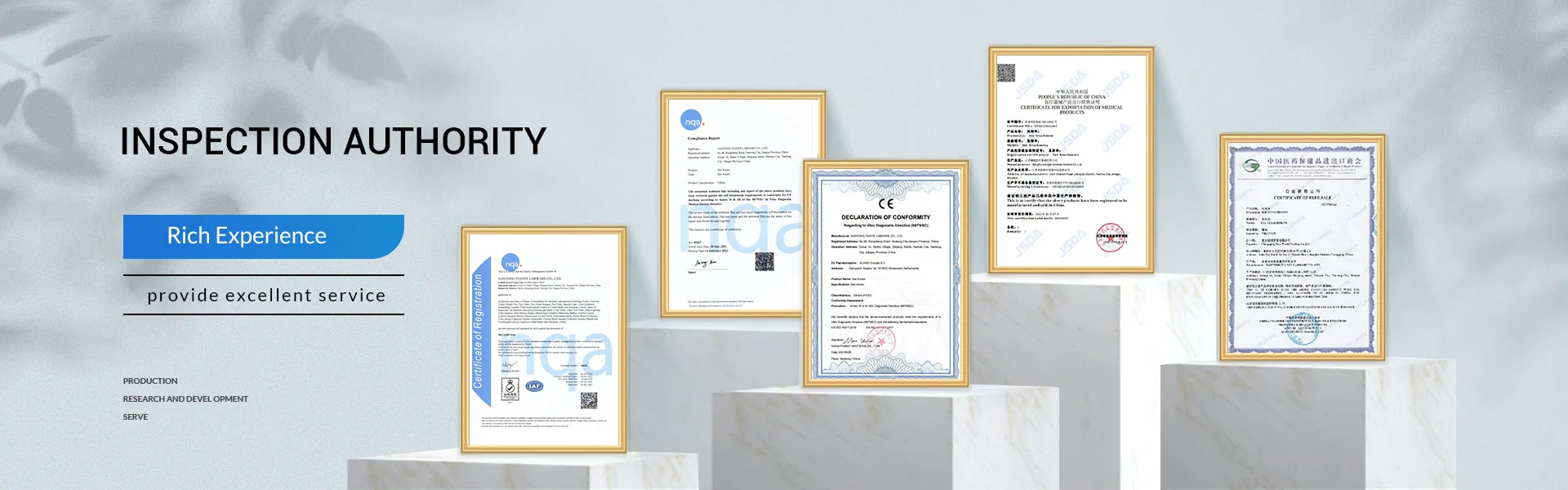
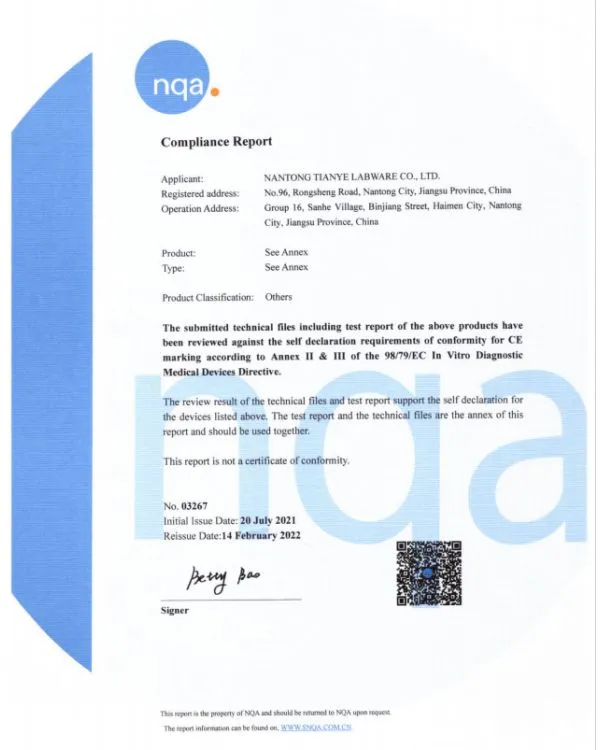
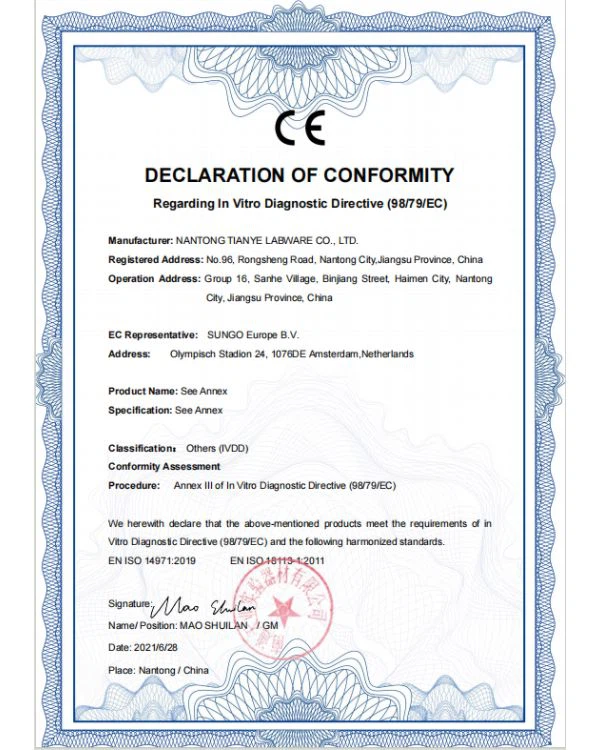
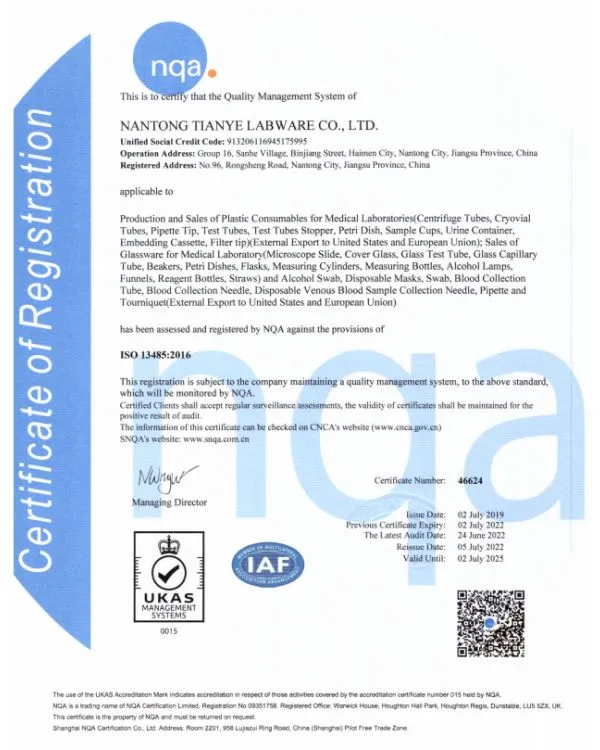
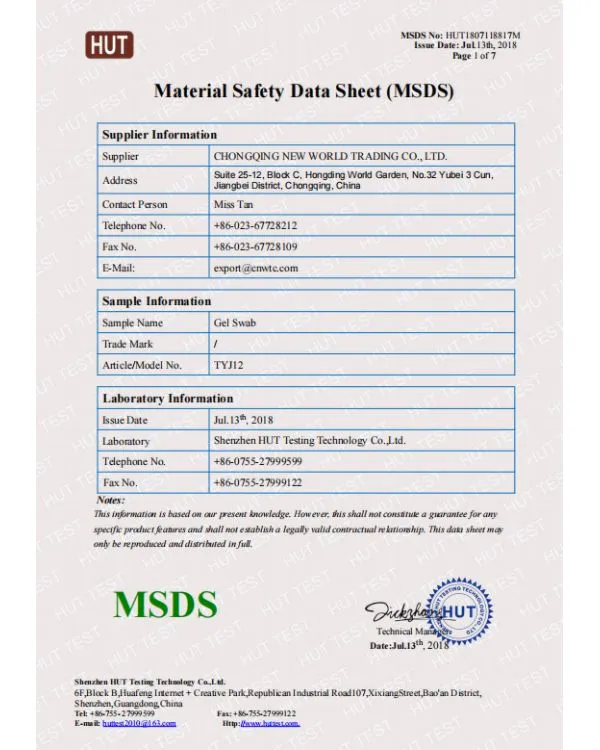
Our Certificate
FAQ
Q: What is a glass desiccator?
Q: How does a glass desiccator work?
Q: What are the advantages of using a glass desiccator?
Q: Can a glass desiccator be used for drying wet samples?
Q: Can a glass desiccator be used for cooling samples?
Q: Can a glass desiccator be used for storing chemicals?
Q: Can a glass desiccator be used for drying glassware?
Q: Can a glass desiccator be used for preserving biological samples?
Q: Can a glass desiccator be used for storing electronic components?
Q: Can a glass desiccator be used for drying solvents?
Q: Can a glass desiccator be used for drying laboratory glassware?
Q: Can a glass desiccator be used for drying crystals?
Q: Can a glass desiccator be used for storing moisture-sensitive powders?
Q: Can a glass desiccator be used for drying sensitive instruments?
Q: Can a glass desiccator be used for drying biological samples?
Q: Can a glass desiccator be used for drying food items?
Q: Can a glass desiccator be used for drying air-sensitive substances?
Q: Can a glass desiccator be used for storing volatile substances?
Q: Can a glass desiccator be used for vacuum applications?
Q: Can a glass desiccator be customized?
We're well-known as one of the leading glass desiccator manufacturers in China. If you're going to buy cheap glass desiccator in stock, welcome to get quotation and free sample from our factory. Good service and low price are available.
Glass Vacuum Desiccator, Desiccator with ground, Boro3 3 Glass Desiccator