

Lab Microscope
A microscope is an optical instrument composed of one lens or a combination of several lenses. A microscope is an instrument mainly used to magnify small objects so that they can be seen by the naked eye.
Your Leading Lab Microscope Supplier
Chongqing New Way Trading Co., Limited. is a Modern Enterprise which specialized in developing, manufacturing and marketing of lab glasswares, plastic disposables and medical consumables, which has a complete independent research and industrial line. Our Lab Microscope is divided into Laboratory Trinocular Biological Microscope and XSZ-N117A Binocular Biological Microscope. Lab microscopes come in various shapes and sizes, each suited for different scientific tasks.
-
![XSZ-N117A Binocular Biological Microscope]() XSZ-N117A Binocular Biological Microscopebiological microscope is a precision optical instrument used to observe biological slices, biological cells, bacteria, living tissue cultures, fluid sediments, etc.read more
XSZ-N117A Binocular Biological Microscopebiological microscope is a precision optical instrument used to observe biological slices, biological cells, bacteria, living tissue cultures, fluid sediments, etc.read more -
![Laboratory Trinocular Biological Microscope]() Laboratory Trinocular Biological MicroscopeLaboratory biological microscope is used to observe and study biological slices, biological cells, bacteria, living tissue cultures, fluid sediments, etc. Trinocular microscope can also observe...read more
Laboratory Trinocular Biological MicroscopeLaboratory biological microscope is used to observe and study biological slices, biological cells, bacteria, living tissue cultures, fluid sediments, etc. Trinocular microscope can also observe...read more


Biological microscopes are used to observe and study biological slices, biological cells, bacteria, living tissue culture, fluid sedimentation, etc. It can also observe other transparent or translucent objects as well as powders, fine particles and other objects. Biological microscopes are also necessary inspection equipment for food factories and drinking water plants to obtain QS and HACCP certification.
Why Choose Us
Rich Production Experience
The company has been committed to the supply of laboratory and medical consumables since 2009.
Advanced Production Capabilities
The factory has a 100,000-level purification workshop, standard production line and quality inspection center.
Support Customized Service
We have more than 300 products, all of which can be OEM according to customer needs.
Quality Guaranteed
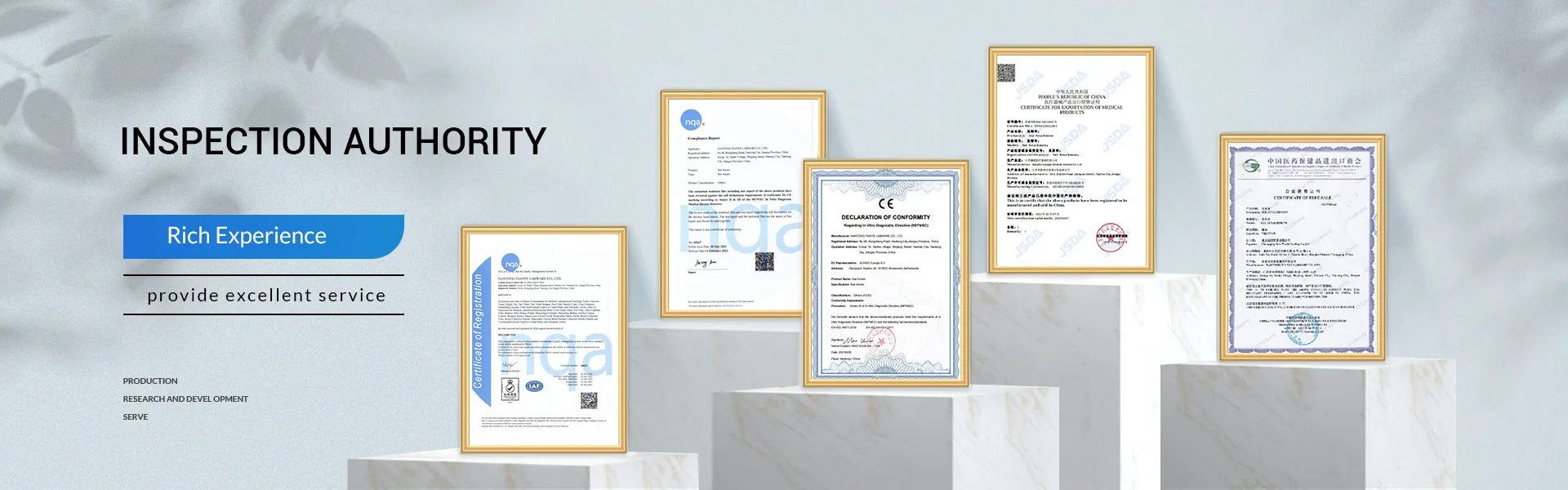
Xinwei is a branch of Chongqing New World Company, and the factory has obtained CE and ISO13485 certifications.
Types of Lab Microscope
XSZ-N117A Binocular Biological Microscope
Biological microscope is a precision optical instrument used to observe biological slices, biological cells, bacteria, living tissue cultures, fluid sediments, etc. They can also observe other transparent or translucent objects, powders, fine particles, etc.
Laboratory Trinocular Biological Microscope
Laboratory biological microscope is used to observe and study biological slices, biological cells, bacteria, living tissue cultures, fluid sediments, etc. Trinocular microscope can also observe other transparent or translucent objects as well as powders, fine particles and other objects.

Specifications of Lab Microscope
|
Model |
XSZ-BK2003 |
XSZ-BK5000 |
|
Eyepiece |
WF 10X/18mm |
WF 10X/20mm |
|
Objective |
Achromatic 4X,10X,40X (S),100X (S, OIL) |
Infinity Plan 4X,10X,40X (S),100X (S, OIL); Infinity Plan 20X (S) |
|
Viewing Head |
Binocular Head, Inclined 30°,Rotatable 360° ,Interpupillary Distance 48-75mm |
Trinocular Head, Inclined 30°,Rotatable 360° , Interpupillary Distance: 48-75mm |
|
Nosepiece |
Quadruple |
Quintuple |
|
Mechanical Stage |
Size: 145x140mm, Travel Range: 76x52mm Scale 0.1mm |
Size: 190x140mm,Travel Range: 78x55mm |
|
Condenser |
Abbe Condenser N.A 1.25 with Iris Diaphragm |
Abbe Condenser N.A 1.25 with Iris Diaphragm |
|
Focusing |
Coaxial Coarse and Fine Focusing Knobs Travel Range: 26mm, Scale: 2μm |
Coaxial Coarse and Fine Focusing Knobs Travel Range: 26mm, Scale: 2μm |
|
Illumination |
6V/20W Halogen Lamp |
Kohler Illumination 12V/20W Halogen Lamp |
Customization Options
| Material | Customizable |
| Size | Customizable |
| Shape | Customizable |
| Scale | Customizable |
| Surface treatment | Customizable |
| MOQ | Customizable |
Usage Requirements of Lab Microscope


Handle with care
Most microscope problems occur as a result of improper handling. When carrying your microscope, hold it by the base and the metal support arm. Do not pick it up by the stage, as this can cause misalignment. When transporting it, use a microscope bag.
Keep lenses clear of slides
When using your microscope and adjusting the focus you will need to lower the objective lens down as far as it will go. However, you should never allow the lens to touch the slide you are looking at. Dirty lenses can be difficult to clean.
Clean after using immersion oil
If using immersion oil, always ensure the objectives are cleaned immediately after use. Objective, eyepieces and condenser may be removed for cleaning. Use only lens paper and lens cleaner. Do not use solvents.
Cover when not in use
All microscopes are sold with dust covers. Always keep your microscope covered when not in use even if the microscope is stored in a cabinet. Eye tubes also need to be kept free of dust so do not store a microscope without the eyepieces. If the microscope eyepieces must be removed, cover the tubes with caps or a plastic bag with a rubber band around the eye tube.
Look after the bulb
After using the microscope, turn off the illuminator and wait for it to cool for several minutes before putting it away. By allowing the bulb to cool you will extend its life. When turning the microscope on and off, use the switch not the power point. Do not switch the microscope on while using full light intensity. Never touch the bulb with your fingers as the body oils can burn into the bulb and reduce its life. Use a tissue. Keep a store of replacement bulbs and always use the correct bulb.
Store in a clean, dry place
Make sure you do not store your microscope in an area that has corrosive chemical fumes that can destroy lenses or metal parts or beside solutions that may leak. Salt air and pervasive damp can also cause damage over time. Make sure your cabinet is ventilated.
Only use special lens paper or wipes for cleaning the lenses
Microscope lenses can easily be scratched and should be treated with great care. Use an aspirator to remove dust. Sticky residue can be removed with lens paper moistened with distilled water or lens cleaning solution and rubbed gently using a circular motion. Never use sharp instruments or anything abrasive on the microscope lenses.
Keep your User's Manual and wrenches in a safe place
Each microscope should come with a user's manual and specialist wrenches as required. Always consult the User's Manual before making any adjustments to your microscope and use the wrenches provided. Never over-tighten or use force when performing any maintenance on your microscope, or use inappropriate tools. This can damage the parts.
Perform an annual maintenance check
On an annual basis moving parts on the microscope should be cleaned and lubricated. Clean grease and dirt from sliding surfaces using a clean cloth. Apply a very thin layer of lithium-based grease to the sliding surfaces. Do not grease the teeth of the rack and pinion gears. Inspect the power cords and plugs for safety and stock up on a supply of replacement bulbs.
Have your microscope serviced professionally
A rule of thumb for frequency of servicing is every 200 hours of use or every 3 years, whichever comes first.
Uses of Lab Microscope
Biology
Observing cell structures, microorganisms, and tissues.
01
Medicine
Diagnosing diseases through blood, tissue, and urine analysis.
02
Materials Science
Analyzing the microstructure of metals, polymers, and composites.
03
Forensics
Examining hair, fibers, and other microscopic evidence.
04
Education
Teaching students about cells, microorganisms, and histology.
05
Payment Terms
T.T with 30% downpayment, 70%before shipment. Paypal or West Union also accept.
Packaging and Shipment

FAQ
We're well-known as one of the leading biological microscope manufacturers in China. If you're going to buy cheap biological microscope in stock, welcome to get quotation and free sample from our factory. Good service and low price are available.
Glass Petri Dish With Lids,