


Lab Stopcock
What Is Lab Stopcock
A lab stopcock, also known as a ground glass stopcock, is a laboratory tool used to control the flow of fluid in a container. It consists of a ground glass plug that fits into a corresponding ground glass joint. By turning the plug, the opening in the joint can be adjusted, allowing the user to regulate the fluid flow rate. Stopcocks are commonly found in flasks, burets, and other laboratory vessels where precise control of fluid flow is required. They are essential tools in many scientific experiments and procedures, providing a reliable and effective means of controlling fluid flow in the laboratory.
Precision control
Lab stopcocks provide precise control over the flow of liquids. This is because they have three positions, allowing the user to direct the flow of liquid to one, two, or all three outlets. This level of control is essential in experiments where precise measurement and distribution are paramount, such as in titrations or dilutions.
Minimizes sample loss
Stopcocks help to minimize sample loss during transfers or dilutions. By using the stopcock, scientists can regulate the flow of liquid, ensuring that precise amounts are being dispensed or drawn into the system. This precision can help to reduce errors and improve reproducibility in experiments.
Enhanced experimental efficiency
Lab stopcocks can enhance experimental efficiency by allowing multiple tasks to be performed simultaneously. For example, in an experiment where multiple dilutions or transfers are required, the stopcock can be used to control the flow of liquid to multiple destinations simultaneously. This capability can save time and effort in the laboratory, allowing for more efficient workflows.
Versatility
Lab stopcocks are highly versatile and can be used in a wide range of applications. They are commonly used in titrations, dilutions, and sample transfers but can also be employed in a variety of other experiments where precise control over liquid flow is required. The stopcock's design allows for easy modification and adaption to different experimental setups, further enhancing its versatility.
Easy cleaning and maintenance
Lab stopcocks are relatively easy to clean and maintain. The stopcock's design allows for thorough cleaning of all internal channels, ensuring that any residue or contamination is removed. This helps to maintain the integrity of experiments and prevent cross-contamination between samples.
Cost-effectiveness
Lab stopcocks are generally cost-effective compared to other laboratory equipment. While they may not be as expensive as some other pieces of lab equipment, their durability and longevity mean that they can be used repeatedly over time, reducing the overall cost per experiment. Additionally, stopcocks are often less expensive than their automated counterparts, offering a more cost-effective alternative for many applications.
-
![Lab Glass Stopcock for Burette with PTFE Key]() Lab Glass Stopcock for Burette with PTFE KeyStopcock for Burette is a laboratory apparatus with a simple yet crucial design. It features a straight bore for controlled fluid flow and a two-way valve for precise regulation. Widely used in...read more
Lab Glass Stopcock for Burette with PTFE KeyStopcock for Burette is a laboratory apparatus with a simple yet crucial design. It features a straight bore for controlled fluid flow and a two-way valve for precise regulation. Widely used in...read more -
![Laboratory Glassware Burette Stopcocks PTFE Or Glass Key]() Laboratory Glassware Burette Stopcocks PTFE Or Glass KeyBurette Stopcocks have white enamel graduations for good visibility with dark colored solutions.read more
Laboratory Glassware Burette Stopcocks PTFE Or Glass KeyBurette Stopcocks have white enamel graduations for good visibility with dark colored solutions.read more


Why Choose Us
Advanced equipment
A machine, tool or instrument designed with advanced technology and functionality to perform highly specific tasks with greater precision, efficiency and reliability.
High quality
Our products are manufactured or executed to a very high standard, using the finest materials and manufacturing processes.
Professional team
Our professional team collaborates and communicates effectively with each other, and is dedicated to delivering high quality results. We are capable of handling complex challenges and projects that require our specialized expertise and experience.
Quality control
We have built a professional quality control team to accurately inspect every raw material and every production process.
Customized services
We understand that each customer has unique manufacturing needs. That’s why we offer customization options to cater to your specific requirements.
24H online service
We try and respond to all concerns within 24 hours and our teams are always at your disposal in case of any emergencies.
Types of Lab Stopcock
PTFE stopcock
PTFE stopcocks are made of polytetrafluoroethylene (PTFE), a material that is known for its non-stick properties. PTFE stopcocks are commonly used in laboratory settings because they are easy to clean and maintain. They are ideal for applications that require precise control over the flow of fluids.
Glass stopcock
Glass stopcocks are made of borosilicate glass, which is resistant to thermal shock and can withstand high temperatures. Glass stopcocks are commonly used in laboratory settings because they are durable and can be easily sterilized. They are ideal for applications that require precise control over the flow of fluids, particularly in medical and pharmaceutical settings.
Plastic stopcock
Plastic stopcocks are made of various types of plastic, including polypropylene, polyethylene, and nylon. Plastic stopcocks are lightweight and inexpensive, making them ideal for applications that require a large number of stopcocks. They are also resistant to chemicals and can be easily cleaned and maintained.
Rubber stopcock
Rubber stopcocks are made of natural or synthetic rubber, which is flexible and can withstand a wide range of temperatures. Rubber stopcocks are commonly used in laboratory settings because they are inexpensive and easy to use. They are ideal for applications that require precise control over the flow of fluids, particularly in medical and pharmaceutical settings.
Metal stopcock
Metal stopcocks are made of various types of metal, including brass, stainless steel, and aluminum. Metal stopcocks are durable and can withstand high pressures and temperatures. They are ideal for applications that require precise control over the flow of fluids, particularly in industrial settings.
How to Store Lab Stopcock
Choose the right location
The first step in storing lab stopcocks is choosing the right location. Store them in a clean, dry, and well-ventilated area away from direct sunlight, heat sources, and chemicals. Exposure to moisture, extreme temperatures, and chemicals can cause damage to the stopcocks and affect their performance.
Organize the stopcocks
Proper organization is crucial for easy access and retrieval of the stopcocks. Arrange them in labeled trays or boxes according to their size, type, and material. This will prevent confusion, reduce the risk of breakage, and ensure that you can quickly find the stopcock you need.
Protect the stopcock threads
The threads of the stopcocks are delicate and can easily get damaged if not handled with care. Always use a clean, dry cloth or gloves when handling stopcocks to avoid scratching or cross-threading. Do not overtighten the stopcocks as this can cause damage to the threads and affect their functionality.
Keep the stopcocks clean
Dirt, dust, and other debris can accumulate on the stopcocks and affect their performance. Always clean the stopcocks before and after use with warm water and a mild detergent. Avoid using harsh chemicals or abrasive materials that can damage the stopcocks.
Inspect the stopcocks regularly
Regular inspection of the stopcocks is essential to identify any signs of damage or wear. Check for cracks, chips, or other defects that can affect the performance of the stopcocks. Replace any damaged or worn-out stopcocks to ensure the safety and accuracy of your experiments.
Store the stopcocks in their original packaging
If possible, store the stopcocks in their original packaging to protect them from damage and prevent them from coming into contact with other materials. If the original packaging is not available, use a clean and dry container that provides adequate protection and prevents the stopcocks from moving around.
Application of Lab Stopcock
Filling and draining operations
Stopcocks are commonly used for filling and draining operations in laboratory glassware. They allow precise control of the flow of liquid into or out of a vessel, such as a flask or beaker. By adjusting the position of the stopcock, the flow of liquid can be controlled, allowing for accurate measurement and control of the volume.
Gas flow control
Stopcocks are also used for controlling the flow of gas in laboratory experiments. They can be used to regulate the flow of gas from a gas source to a reaction vessel or to control the flow of gas out of a reaction vessel. This is important for controlling the reaction conditions and ensuring accurate experimental results.
Mixing operations
Stopcocks can be used for mixing operations in laboratory experiments. By adjusting the position of the stopcock, the flow of liquid can be controlled, allowing for precise mixing of different liquids. This is important for creating homogeneous mixtures and ensuring accurate experimental results.
Sampling and transferring operations
Stopcocks are commonly used for sampling and transferring operations in laboratory experiments. They allow precise control of the flow of liquid, allowing for accurate sampling and transferring of liquids from one vessel to another. This is important for accurate measurement and control of the volume and concentration of liquids.
Safety applications
Stopcocks can also be used for safety applications in laboratory experiments. They can be used to control the flow of liquid or gas in emergency situations, such as a reaction runaway or pressure buildup. By quickly shutting off the flow of liquid or gas, the stopcock can help prevent potential hazards and ensure the safety of the laboratory personnel.
Handle with care
Stopcocks are often made of glass or other fragile materials, so it's important to handle them carefully to avoid dropping or breaking them. Use clean, dry hands or protective gloves when handling stopcocks, and avoid touching the sealing surface to prevent contamination.
Check for leaks
Before using a piece of equipment with a stopcock, check for leaks by applying pressure to the system and looking for any escaping gases or liquids. If you notice any leaks, do not use the equipment until the problem has been fixed.
Tighten gradually
When adjusting the stopcock, do not make sudden movements that could cause the seal to break or the thread to strip. Instead, turn the stopcock slowly and steadily until it is fully tightened or loosened as needed.
Use proper technique
To avoid damaging the stopcock or the surrounding equipment, use the correct technique when turning the stopcock. Place your fingers on the end of the stopcock opposite the opening, and twist your hand back and forth rather than up and down.
Clean regularly
Regular cleaning helps to prevent buildup of residue or corrosion that could affect the function of the stopcock. After each use, remove any remaining fluids and wipe the stopcock clean with a soft, lint-free cloth.
Inspect regularly
Regular inspections can help to identify any potential problems with the stopcock before they become serious. Check the stopcock for any signs of damage, such as cracks, chips, or scratches, and replace it if necessary.
Follow safety guidelines
Always follow the safety guidelines provided by the manufacturer or your laboratory supervisor when using a stopcock. This may include wearing protective clothing or using specific types of equipment.
How to Install Lab Stopcock
Prepare the glassware
Before installing the stopcock, ensure the glassware is clean and free from any debris or residue. This is important to ensure a proper fit and prevent any potential leaks.
Insert the stopcock
Insert the stopcock into the neck of the glassware. The stopcock should fit snugly into the neck, with the tapered end pointing towards the bottom of the glassware.
Adjust the stopcock
Adjust the stopcock to the desired position. The stopcock should be able to move freely within the neck of the glassware without any resistance.
Tighten the stopcock
Once the stopcock is in the desired position, tighten it by turning the collar clockwise. This will create a seal between the stopcock and the neck of the glassware, preventing any potential leaks.
Test the stopcock
Test the stopcock by opening and closing it several times. The stopcock should move smoothly and create a tight seal when closed. If there are any leaks, adjust the stopcock until it creates a tight seal.
Clean and store
Once the stopcock is installed, clean it thoroughly and store it in a dry, dust-free area until it is needed again.
Material
The material of the stopcock will affect its durability, chemical resistance, and temperature range. Glass stopcocks are commonly used in chemistry labs due to their precision and resistance to many chemicals. However, they can be fragile and may not be suitable for high-temperature applications. Plastic stopcocks are less fragile and can withstand wider temperature ranges, but they may not be suitable for all chemicals.
Size
The size of the stopcock will depend on the size of the equipment it is being used with. It's important to choose a stopcock with an appropriately sized bore to match the flow rate of your experiment.
Thread type
The thread type of the stopcock will affect how easily it can be tightened and loosened. Acme threads are a common choice due to their precision and ease of use. However, other thread types such as metric or whitworth may be more appropriate for certain applications.
Cost
The cost of the stopcock will depend on the material, size, and brand. It's important to choose a stopcock that fits within your budget while still meeting your requirements for performance and durability.
Application
The application for which the stopcock will be used should also be taken into account. Some stopcocks are designed specifically for use with certain types of equipment or chemicals.
Quality control
It's important to ensure that the stopcock you choose has undergone rigorous quality control testing to ensure it meets industry standards for accuracy and precision.
What Are Lab Stopcocks Made Of?
Lab stopcocks, also known as ground glass stopcocks, are essential laboratory equipment used to control the flow of fluid in glass vessels such as flasks, funnels, and condensers. They consist of a tapered rod with a ground glass surface that fits into a correspondingly shaped ground glass joint. Borosilicate glass is a type of glass commonly used to make lab stopcocks. It is known for its high thermal resistance, chemical resistance, and durability. Stainless steel is another material used to make lab stopcocks. Stainless steel stopcocks are more resistant to wear and tear and can withstand higher pressure than borosilicate glass stopcocks. They are commonly used in industrial settings and high-pressure applications. PTFE, also known as Teflon, is a synthetic fluoropolymer that is sometimes used to make lab stopcocks. PTFE stopcocks are chemically inert and can withstand high temperatures and corrosive chemicals. They are commonly used in applications where the fluid being controlled is highly corrosive or reactive. Plastic stopcocks are also available and are typically made of polypropylene or other similar materials. Plastic stopcocks are lightweight and inexpensive but may not be as durable or resistant to wear and tear as borosilicate glass or stainless steel stopcocks.

How Does a Lab Stopcock Work?
A lab stopcock is a device used to control the flow of gases or liquids in a laboratory setting. It consists of a tapered cylinder with a threaded plug that can be turned to open or close the cylinder. The stopcock works on the principle of a threaded joint, which creates a seal between the plug and the cylinder as it is turned. The plug and the cylinder. The plug is a tapered rod with a threaded surface that fits into the tapered cylinder. As the plug is turned, it moves up or down within the cylinder, changing the size of the opening between the plug and the cylinder. This allows the user to control the amount of gas or liquid that can pass through the stopcock. The stopcock is typically made of glass or plastic, materials that are resistant to many chemicals and can be easily cleaned. The threaded joint between the plug and the cylinder creates a tight seal that prevents leaks or spills. The plug can be turned using a wrench or a key, which is often built into the stopcock itself. One of the advantages of the lab stopcock is its precision. The threaded joint allows for precise control over the flow of gases or liquids, which is important in many laboratory applications. The stopcock can be adjusted to allow a precise amount of fluid to pass through, which is particularly useful in experiments that require careful measurement of volumes or flow rates. Like all laboratory equipment, the lab stopcock must be used with caution to prevent accidents or injuries. The stopcock should be handled carefully to avoid dropping or breaking it, and the threaded joint should be checked for leaks before use. Regular cleaning and inspection of the stopcock can help to ensure that it remains functional and safe for use.
Can Lab Stopcocks Be Used with Corrosive Chemicals?
Lab stopcocks, also known as ground glass stopcocks, are essential laboratory equipment used to control the flow of fluid in glass vessels such as flasks, funnels, and condensers. While lab stopcocks are commonly used with non-corrosive chemicals, they can also be used with corrosive chemicals under certain conditions. When using lab stopcocks with corrosive chemicals, it's crucial to choose materials that are compatible with the chemical being used. Borosilicate glass stopcocks are generally suitable for most non-corrosive chemicals but may not be suitable for highly corrosive chemicals. In these cases, it's recommended to use stopcocks made of chemically inert materials such as PTFE (Teflon) or plastic. PTFE stopcocks are particularly well-suited for corrosive chemicals due to their high temperature resistance and chemical inertness. The design of lab stopcocks can also affect their suitability for use with corrosive chemicals. Stopcocks with ground glass surfaces may be more susceptible to chemical attack than stopcocks with smooth, non-porous surfaces. PTFE stopcocks, for example, have a smooth, non-porous surface that is resistant to chemical attack and can withstand high temperatures and corrosive chemicals. Corrosive chemicals can be highly reactive, and controlling the temperature is crucial for safe and accurate experimental results. It's essential to monitor the temperature of the corrosive chemical and the surrounding environment to ensure that the temperature remains within the appropriate range for the chemical being used. When using lab stopcocks with corrosive chemicals, it's crucial to follow proper safety precautions to prevent potential hazards. Always wear appropriate personal protective equipment, such as gloves, goggles, and a lab coat, and work in a well-ventilated area. Avoid skin and eye contact with the corrosive chemical, and follow proper waste disposal procedures.

Lab stopcocks are a common tool used in laboratory settings for controlling the flow of gases or liquids. They are often used in conjunction with other laboratory equipment, such as flasks, beakers, and columns. While stopcocks are not typically used for solvent selection in chromatography, they can play a role in the overall process of chromatography. Chromatography is a technique used for separating and identifying mixtures of compounds. It relies on the principle that different compounds have different affinities for a mobile phase and a stationary phase. In liquid chromatography, the mobile phase is a liquid solvent that carries the sample through the stationary phase, which is typically a solid or a liquid supported on a solid. Solvent selection is an important part of chromatography, as it can affect the separation of the compounds in the sample. The choice of solvent will depend on the nature of the sample and the compounds to be separated. In general, the solvent should have a suitable polarity and boiling point for the separation method being used. While stopcocks are not typically used for solvent selection in chromatography, they can play a role in the overall process. For example, a stopcock can be used to control the flow of the mobile phase through the stationary phase in a column. This allows for precise control over the separation process, which can be important for achieving optimal separation of the compounds in the sample. In addition, stopcocks can be used to introduce the sample into the mobile phase. For example, a stopcock can be used to connect a flask containing the sample to a column, allowing the sample to be introduced into the mobile phase and carried through the stationary phase for separation. It's important to note that the choice of solvent for chromatography will depend on a variety of factors, including the nature of the sample, the separation method being used, and the desired separation performance. While stopcocks can play a role in the overall process of chromatography, they should not be relied upon solely for solvent selection. Instead, the choice of solvent should be based on a careful assessment of the separation requirements and the properties of the sample.
Our factory
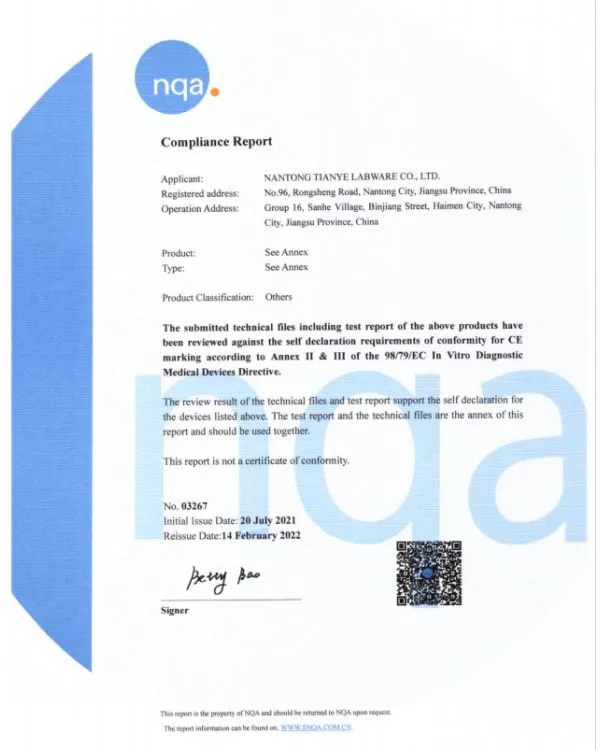
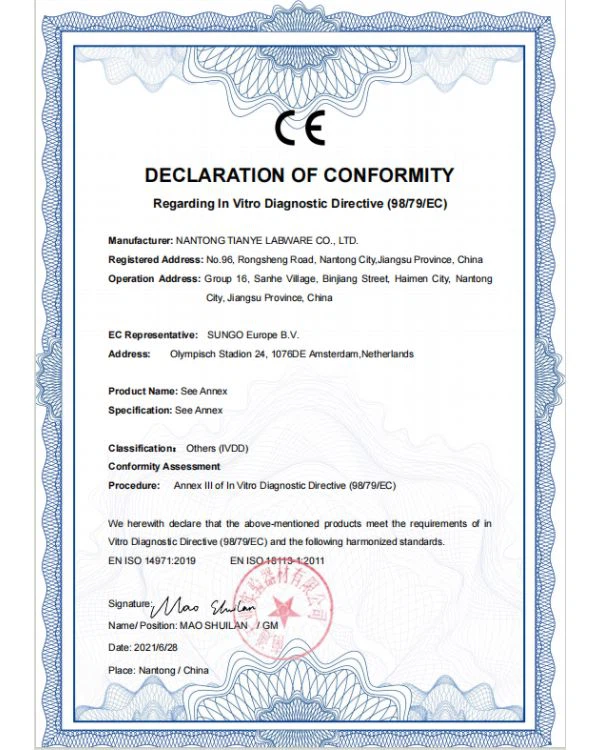
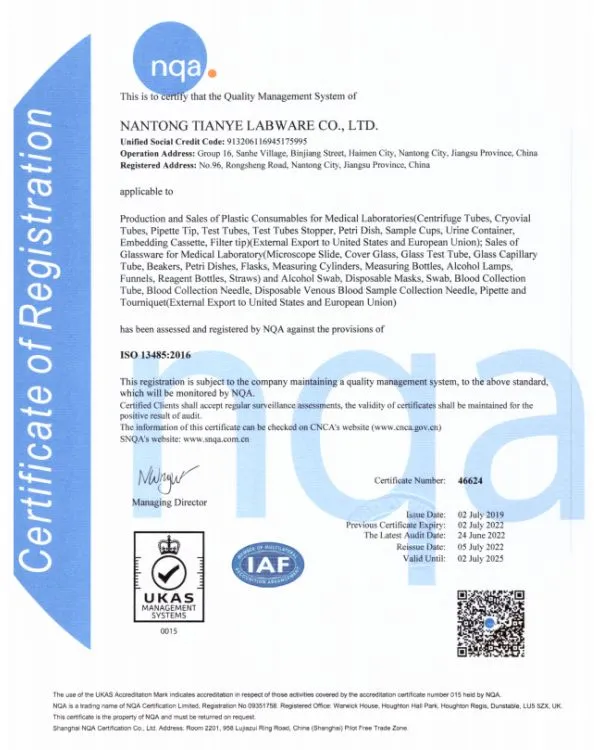
Hongqing New Way Trading Co., Limited located Chongqing, in the south west of China. Neway is a Modern Enterprise which specialized in developing, manufacturing and marketing of lab glasswares, plastic disposables and medical consumables, which has a complete independent research and industrial line.With perfect organization and advanced management, Neway has one professional work team which engaged in the products development and production control. We have already established relationship for product development cooperation with a number of well known domestic and foreign companies. Our main products include medical consumables, laboratory plastic consumables and glass products. We have more than three hundred products, such as blood collection tube, blood lancets, bandages, female swabs, centrifuge tube, test tube, pipette tip, petri dish, cuvettes, glass slide, glass beakers and others, all the products can do OEM as customer required.


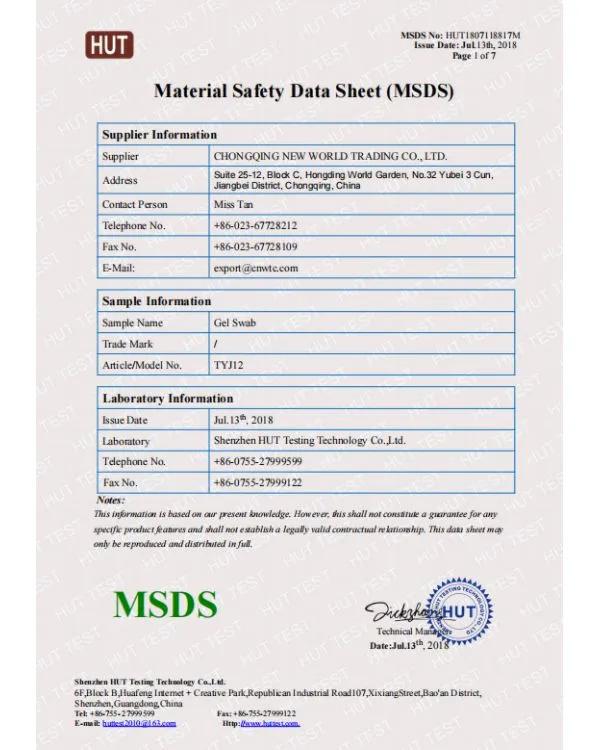
Our Certificate
FAQ
Q: What are the different types of lab stopcocks?
Q: What is the purpose of a lab stopcock?
Q: How does a lab stopcock work?
Q: What are the applications of lab stopcocks?
Q: Can lab stopcocks be used with corrosive chemicals?
Q: Can lab stopcocks be used with high-pressure systems?
Q: Can lab stopcocks be used for temperature-sensitive experiments?
Q: Can lab stopcocks be used for precise volume control?
Q: Can lab stopcocks be used for liquid dispensing?
Q: Can lab stopcocks be used for solvent selection in chromatography?
Q: Can lab stopcocks be used for reflux setups?
Q: Can lab stopcocks be used for fraction collection in distillation?
Q: Can lab stopcocks be used for liquid phase separations?
Q: Can lab stopcocks be used for gas phase separations?
Q: Can lab stopcocks be used for flow control in microfluidic devices?
Q: Can lab stopcocks be used for sample injection in analytical instruments?
Q: Can lab stopcocks be used for liquid level control in reactors?
Q: Can lab stopcocks be used for flow diversion in multi-channel systems?
Q: Can lab stopcocks be used for flow control in filtration setups?
Q: Can lab stopcocks be used for educational purposes?
We're well-known as one of the leading lab stopcock manufacturers in China. If you're going to buy cheap lab stopcock in stock, welcome to get quotation and free sample from our factory. Good service and low price are available.
Glassware Burette Stopcocks, Laboratory Burette Stopcocks