

Petri Dish
What Is Petri Dish
A Petri dish is a circular, flat dish made of glass or plastic that is commonly used in biology and microbiology laboratories. Petri dishes are used to culture cells or bacteria and observe their growth over a period of time. The bottom of the dish is coated with agar, which provides nutrients and a solid surface for the cells or bacteria to grow on. Samples are added to the agar, and the Petri dish is then sealed and incubated at a specific temperature until the cells or bacteria have grown sufficiently. Petri dishes are an essential tool in medical and scientific research, allowing scientists to study microorganisms and develop new treatments and therapies.
Culture growth
Petri dishes provide an ideal environment for the growth of microorganisms or cells. The dish's flat surface is coated with a layer of agar, a gelatinous substance that serves as a nutritive medium for the cells or microorganisms. This allows them to thrive and multiply under controlled conditions.
Optimal visualization
The transparent nature of petri dishes allows scientists to easily observe the growth and morphology of cells or microorganisms. This allows for convenient and accurate identification, enumeration, and characterization of cultures, enhancing experimental reproducibility and reliability.
Enhanced stability
Petri dishes are designed to be sturdy and durable, ensuring that they remain intact and stable during handling and storage. This durability makes them suitable for long-term experiments or cultures that require regular manipulation.
Easy storage
Petri dishes are airtight when properly closed, providing an effective barrier against external contaminants. This allows cultures to be easily stored in a sterile environment for later use or further analysis.
Standardized culture conditions
Petri dishes provide standardized conditions for cell or microbial culturing, ensuring that experiments are conducted under consistent conditions. This consistency improves reproducibility and comparability among different experiments or studies.
Easy sharing and transport
Petri dishes are small and lightweight, making them easy to share, transport, and store. This convenience allows scientists to collaborate on experiments or to transport cultures without the need for bulky or specialized equipment.
-
![Laboratory Glass 90mm 100mm 120mm Glass Petri Dish with Lids]() Laboratory Glass 90mm 100mm 120mm Glass Petri Dish with LidsGlass petri dish with lids are made of borosilicate glass, which are transparent, easy to clean and reusable; laboratory glass petri dish can withstand high temperature up to 300℃, but cannot be...read more
Laboratory Glass 90mm 100mm 120mm Glass Petri Dish with LidsGlass petri dish with lids are made of borosilicate glass, which are transparent, easy to clean and reusable; laboratory glass petri dish can withstand high temperature up to 300℃, but cannot be...read more -
![Lab Glass Petri Dish 60mm 90mm 100mm Cell Culture Dish with Lids]() Lab Glass Petri Dish 60mm 90mm 100mm Cell Culture Dish wi...Glass Cell Culture Dish With Lids are optically clear for clarity when inspecting the experiment under a microscope; They have a flat, smooth surface that allows uniform cell growth without...read more
Lab Glass Petri Dish 60mm 90mm 100mm Cell Culture Dish wi...Glass Cell Culture Dish With Lids are optically clear for clarity when inspecting the experiment under a microscope; They have a flat, smooth surface that allows uniform cell growth without...read more


Why Choose Us
Advanced equipment
A machine, tool or instrument designed with advanced technology and functionality to perform highly specific tasks with greater precision, efficiency and reliability.
High quality
Our products are manufactured or executed to a very high standard, using the finest materials and manufacturing processes.
Professional team
Our professional team collaborates and communicates effectively with each other, and is dedicated to delivering high quality results. We are capable of handling complex challenges and projects that require our specialized expertise and experience.
Quality control
We have built a professional quality control team to accurately inspect every raw material and every production process.
Customized services
We understand that each customer has unique manufacturing needs. That’s why we offer customization options to cater to your specific requirements.
24H online service
We try and respond to all concerns within 24 hours and our teams are always at your disposal in case of any emergencies.
Standard petri dish
This is the most basic type of petri dish, consisting of a flat circular glass or plastic dish with a cylindrical lid. The bottom of the dish is typically coated with agar, a nutrient-rich gel used to support the growth of microorganisms.
Deep well petri dish
Deep well petri dishes have deeper wells than standard dishes, allowing for the cultivation of larger samples or more significant volumes of agar. They are often used in cell culture applications where cells require more depth for growth.
Disposable petri dish
Disposable petri dishes are made of plastic and are intended for one-time use. They are convenient and reduce the risk of contamination, as they do not need to be sterilized before each use.
Multiwell petri dish
Multiwell petri dishes have several separate compartments, allowing for the cultivation of multiple samples simultaneously. These dishes come in various formats, including 6-, 12-, 24-, 48-, and 96-well formats, and are commonly used in high-throughput screening applications.
Gas permeable petri dish
Gas permeable petri dishes are designed to allow gases to pass through the dish, enabling the study of microorganisms in different gas environments. They are often used in anaerobic culture, where microorganisms are grown in an environment without oxygen.
Snap-crackle-seal petri dish
Snap-crackle-seal petri dishes have a lid that creates a hermetic seal when closed. This design helps to maintain a sterile environment and prevents contamination.
Custom petri dish
Custom petri dishes can be designed to meet specific experimental requirements, such as larger sizes, different lid types, or specialized coatings. These dishes are often used in specialized research applications.
How to Store Petri Dish
Store empty petri dishes
Empty petri dishes should be stored in a clean, dry environment to prevent contamination and maintain their integrity. Glass petri dishes should be stored upright to prevent breakage, while plastic dishes can be stacked. It's important to avoid storing dishes in direct sunlight or areas with extreme temperature fluctuations.
Store petri dishes with agar
If you are storing petri dishes with agar, it's crucial to ensure they are sealed to prevent drying out and contamination. The lids should be securely closed, and the dishes can be stored at 4°c in the refrigerator for up to one month. If you need to store them for longer periods, you can freeze them at -20°c or -80°c.
Store petri dishes with cultures
Petri dishes containing cultures should be stored in a warm, humid environment to promote growth. The optimal temperature and humidity levels will depend on the specific microorganisms being cultured. It's important to label the dishes with the date, time, and any relevant information to ensure proper tracking and identification.
Prevent contamination
Proper storage techniques can help prevent contamination, which is a significant concern in microbiological studies. Always ensure that the storage area is clean and free from potential sources of contamination. It's also essential to wear clean laboratory coats, gloves, and other personal protective equipment when handling petri dishes to minimize the risk of contamination.
Maintain sterility
If you are storing sterile petri dishes, it's crucial to maintain their sterility to ensure their effectiveness in scientific research. Store them in a sterile environment, such as a sterile container or a sterile bag, to prevent contamination. It's important to label the dishes as "sterile" and handle them with care to avoid compromising their sterility.
Rotate stock
If you have a stock of petri dishes, it's essential to rotate them regularly to ensure that the oldest dishes are used first. This helps to prevent expired or outdated dishes from being used in experiments, which can affect experimental results.
Microbial culture
Petri dishes are most commonly used for the cultivation and growth of microorganisms such as bacteria, yeast, mold, and other fungi. The agar medium in the dish provides a nutritive environment for the microorganisms, allowing them to multiply and form colonies that can be further studied or analyzed.
Cell culture
Petri dishes are also widely used in cell culture, where they serve as a platform for the growth and multiplication of cells. These cells can be isolated from tissues or organs or established cell lines. The dish's transparent surface allows for easy observation of cell morphology and growth patterns.
Molecular biology
Petri dishes are used in molecular biology experiments to study the expression of genes or proteins. By seeding cells or microorganisms on petri dishes, researchers can induce the expression of specific genes or proteins using various techniques such as transfection or gene knockdown.
Toxicity testing
Petri dishes are employed in toxicity testing to assess the effects of various substances on cells or microorganisms. By exposing cells or microorganisms to different concentrations of a substance in petri dishes, researchers can study its toxic effects on growth, metabolism, and cell viability.
Environmental microbiology
Petri dishes are used in environmental microbiology to study the microorganisms present in various environments such as soil, water, or air. By culturing samples from these environments on petri dishes, researchers can identify and enumerate the microorganisms present, studying their diversity and ecological roles.
Food microbiology
Petri dishes are essential in food microbiology, where they are used to culture and identify microorganisms found in food samples. This allows food safety inspectors to detect harmful bacteria or other microorganisms that may pose a risk to human health.
Education and training
Petri dishes are also commonly used in education and training settings, where they provide a practical and hands-on experience for students learning microbiology or cell culture techniques. These experiences help students understand basic concepts and techniques involved in culturing cells or microorganisms.
Precautions When Using Petri Dish
Handling precautions
Always handle petri dishes with care to prevent breakage and contamination. Use clean, dry hands or gloves when handling petri dishes, and avoid touching the rim or the lid.
Cleaning precautions
Clean petri dishes thoroughly before and after use to remove any residue or debris that can contaminate the culture. Use laboratory-grade detergent and water to clean the petri dishes, and rinse them thoroughly before air drying.
Sterilization precautions
Sterilize petri dishes before use to eliminate any microorganisms that can contaminate the culture. Use autoclaving or chemical sterilization methods, such as ethylene oxide or hydrogen peroxide, to sterilize petri dishes.
Storage precautions
Store petri dishes in a clean, dry place away from sunlight and dust. Cover petri dishes with their lids when not in use to prevent contamination.
Temperature control precautions
Maintain proper temperature control when using petri dishes to ensure optimal growth of the microorganisms being cultured. Use a laboratory incubator or a water bath to maintain the appropriate temperature for the culture.
Safety precautions
Always follow proper safety precautions when using petri dishes to prevent injury and exposure to harmful microorganisms. Wear appropriate personal protective equipment, such as gloves, goggles, and a lab coat, and work in a well-ventilated area.
Labeling precautions
Always label petri dishes with relevant information, such as the type of culture, the date, and the initials of the person who prepared it. This helps in quick identification and prevents confusion.
Disposal precautions
Proper disposal of petri dishes is crucial to prevent contamination and ensure safety. Dispose of petri dishes according to local regulations and guidelines, and avoid disposing of them in the regular trash.
Avoid overfilling
Avoid overfilling petri dishes with culture media, as this can cause overflow and contamination. Fill petri dishes to about 3/4 of their capacity.
Check for leaks
Check for leaks in petri dishes before use to prevent contamination. Look for any condensation or moisture on the lid or the rim of the petri dish, which can indicate a leak.
Bacterial cultures
Petri dishes are commonly used for bacterial cultures. They are filled with nutrient agar, a substance that provides nutrients for bacterial growth, and then left to incubate at a controlled temperature. The bacteria feed on the agar and multiply, forming colonies that can be observed and analyzed.
Cell cultures
Petri dishes are also used for cell cultures. They are filled with a nutrient solution that provides the cells with the necessary nutrients for growth. The cells are then added to the dish and incubated at a controlled temperature. The cells grow and divide, forming a monolayer that can be observed and analyzed.
Microscopy
Petri dishes are used for microscopy procedures. They can be filled with a sample and then placed on the microscope stage for observation. This is useful for studying the structure and behavior of cells, bacteria, and other microorganisms.
Drug testing
Petri dishes are used in drug testing procedures. They are filled with a nutrient solution and then inoculated with bacteria. The drugs are then added to the dish, and the bacteria are observed for growth. This helps to determine the effectiveness of the drugs in inhibiting bacterial growth.
Environmental sampling
Petri dishes are used for environmental sampling. They can be filled with a sample of soil, water, or air and then incubated at a controlled temperature. Any microorganisms present in the sample will grow, and the colonies can be analyzed to determine the types of bacteria present.
How to Install Petri Dish
Gather the necessary materials
To install a petri dish, you'll need a sterile petri dish, a sterile culture medium, a sterile transfer loop or pipette, and a sterile lid for the petri dish.
Prepare the culture medium
Depending on the type of microorganism you're culturing, you'll need to prepare the appropriate culture medium. Follow the manufacturer's instructions for preparing the medium, and make sure to autoclave the medium to ensure sterility.
Fill the petri dish with the culture medium
Open the sterile petri dish carefully to avoid contamination. Use a sterile transfer loop or pipette to transfer the sterile culture medium into the petri dish. Spread the medium evenly over the bottom of the dish, leaving about 1/2 inch of space between the medium and the edge of the dish.
Allow the medium to solidify
Depending on the type of medium you're using, it may need to solidify before adding the microorganisms. Allow the medium to solidify at room temperature for about 15-20 minutes or until it's no longer runny.
Inoculate the petri dish
Once the medium has solidified, you can inoculate the petri dish with the microorganisms you're studying. Use a sterile transfer loop or pipette to transfer a small amount of the microorganisms to the center of the solidified medium.
Close the petri dish
Once you've inoculated the petri dish, carefully remove any excess medium or organisms from the lid of the dish. Replace the lid on the petri dish, and ensure that the lid is sterile.
Incubate the petri dish
Depending on the type of microorganisms you're culturing, you'll need to incubate the petri dish at the appropriate temperature and humidity. Follow the manufacturer's instructions for incubating the petri dish, and check the petri dish regularly to ensure that the organisms are growing properly.
Label the petri dish
Always label the petri dish with the date, type of organism, and any other relevant information. This helps to keep track of the different cultures and ensures that you don't mix them up.
Maintain sterility
It's essential to maintain the sterility of the petri dish throughout the installation process. Use sterile equipment, work in a clean environment, and avoid touching the inside of the dish or the lid.
Dispose of the petri dish properly
Once you've completed your experiment, dispose of the petri dish properly according to local regulations and guidelines.
How Do I Choose the Right Petri Dish
Material
Petri dishes can be made of glass or plastic. Glass dishes are more durable and heat-resistant, while plastic dishes are lighter and less likely to break. Consider the type of experiment you will be performing and choose the material that is best suited for your needs.
Size
Petri dishes come in various sizes, from small to large. The size you choose will depend on the amount of sample you need to culture and the number of dishes you need to process at once. Larger dishes can accommodate more sample but may take up more space in the incubator.
Lid type
Petri dishes come with either a loose-fitting lid or a tight-fitting seal. Loose-fitting lids allow for gas exchange, while tight-fitting seals create an anaerobic environment. Consider the type of experiment you will be performing and choose the lid type that is best suited for your needs.
Surface
The surface of the petri dish can affect cell attachment and growth. Non-treated surfaces are smooth and allow for easy cleaning, while tissue culture-treated surfaces have been coated with a layer of coating agent that promotes cell attachment. Consider the type of experiment you will be performing and choose the surface that is best suited for your needs.
Sterility
If you are performing a sterile culture, it is important to choose a petri dish that is sterile and packaged in a way that maintains sterility until use. Some petri dishes come pre-sterilized and individually wrapped, while others require autoclaving before use.
Cost
The cost of petri dishes can vary depending on the material, size, lid type, and surface treatment. Consider your budget and choose the petri dish that offers the best value for your needs.

What Are Petri Dishes Made Of?
Petri dishes are a fundamental tool in scientific research, particularly in the field of microbiology. They are used to culture and study microorganisms such as bacteria, fungi, and viruses. But have you ever wondered what petri dishes are made of? Plastic is the most commonly used material for manufacturing Petri dishes due to its versatility, low cost, and ease of use. Plastic Petri dishes are lightweight, durable, and resistant to cracking or breaking. They are ideal for routine laboratory work and can be easily disposed of after use. Plastic Petri dishes are usually made of polystyrene or polycarbonate, which are transparent and allow for visual inspection of the culture. Glass Petri dishes are more expensive than plastic ones but offer several advantages. Glass is inert and does not leach chemicals into the culture, making it ideal for sensitive experiments. Glass dishes are also more durable and can withstand high temperatures, making them suitable for autoclaving and other high-temperature applications. However, glass dishes are heavier and more fragile than plastic dishes and require more careful handling to prevent damage. Ceramic Petri dishes are less commonly used than plastic or glass but offer unique advantages. Ceramics are non-porous and do not absorb water, which makes them ideal for experiments that require a moisture-controlled environment. Ceramic dishes are also resistant to chemicals and heat, making them suitable for high-temperature applications. However, ceramic dishes are heavier and more fragile than plastic or glass dishes and require careful handling to prevent damage. In addition to the material, the design of the Petri dish can also vary depending on the specific requirements of the experiment. For example, some Petri dishes have a conical bottom to facilitate the collection of liquid waste, while others have a flat bottom for routine culturing. The lid of the Petri dish can also vary in design, with some having a tight-fitting lid to prevent contamination, while others have a loose-fitting lid to allow for gas exchange.
What Are the Sizes of Petri Dishes?
Petri dishes are a staple in scientific laboratories, used for cell cultures, bacterial cultures, and other scientific procedures. They come in various sizes to accommodate different types of experiments. These are the smallest size of Petri dishes and are typically used for small-scale experiments, such as culturing bacteria or testing antibiotics. They can hold up to 3-5 mL of media and are ideal for use in microbiology labs. These are slightly larger than 30mm dishes and are commonly used for cell cultures and other scientific procedures that require a larger surface area. They can hold up to 10-15 mL of media and are ideal for use in cell culture labs. These are larger than 50mm dishes and are commonly used for cell cultures, bacterial cultures, and other scientific procedures that require a larger surface area. They can hold up to 20-25 mL of media and are ideal for use in microbiology and cell culture labs. These are larger than 60mm dishes and are commonly used for cell cultures, bacterial cultures, and other scientific procedures that require a larger surface area. They can hold up to 30-35 mL of media and are ideal for use in microbiology and cell culture labs. These are the largest size of Petri dishes and are commonly used for cell cultures, bacterial cultures, and other scientific procedures that require a large surface area. They can hold up to 50-60 mL of media and are ideal for use in microbiology and cell culture labs. When choosing a Petri dish size, it is important to consider the amount of sample you need to culture and the number of dishes you need to process at once. Larger dishes can accommodate more sample but may take up more space in the incubator. Additionally, the size of the lid can also affect the choice of Petri dish, as some experiments require a tight-fitting lid to maintain anaerobic conditions.

How Should Petri Dishes Be Sterilized?
Autoclaving is the most commonly used method for sterilizing petri dishes. It involves exposing the petri dishes to high temperature and pressure in a steam-filled autoclave chamber. The heat and steam kill or eliminate all microorganisms and their spores from the petri dish. Autoclaving is suitable for sterilizing plastic, glass, and ceramic petri dishes.
Chemical sterilization involves using chemicals to kill or eliminate microorganisms from the petri dish. This method is not as effective as autoclaving and is only recommended when autoclaving is not possible or practical. Chemical sterilizers commonly used include glutaraldehyde, hydrogen peroxide, and ethylene oxide. However, it's important to note that some chemicals may leave residue on the petri dish, which can affect the growth of microorganisms.
Radiation sterilization uses ionizing radiation, such as gamma rays or electron beams, to kill or eliminate microorganisms from the petri dish. This method is not commonly used for sterilizing petri dishes due to the high cost and specialized equipment required. However, it's an effective method for sterilizing heat-sensitive materials.
Dry heat sterilization involves exposing the petri dishes to high temperature in a hot air oven. This method is suitable for glass and ceramic petri dishes but not recommended for plastic dishes, as the heat can cause them to melt or distort.
Can Petri Dishes Be Used for Drug Testing?
Yes, petri dishes can be used for drug testing. In fact, they are often used in scientific laboratories for this purpose. Petri dishes are a type of glass or plastic dish used in laboratories for cell cultures, bacterial cultures, and other scientific procedures. They are flat, circular dishes with a slightly curved bottom that creates a seal when the lid is pressed down, making them ideal for use in drug testing procedures. Petri dishes are commonly used for antimicrobial susceptibility testing. They are filled with a nutrient agar, a substance that provides nutrients for bacterial growth, and then inoculated with bacteria. The drugs are then added to the dish, and the bacteria are observed for growth. This helps to determine the effectiveness of the drugs in inhibiting bacterial growth. Petri dishes are also used for toxicology testing. They can be filled with cell cultures and then exposed to different drugs or chemicals. The cells are then observed for any changes in behavior, such as changes in morphology or changes in cell proliferation. This helps to determine the toxic effects of the drugs or chemicals on the cells. Petri dishes are used for drug screening procedures. They are filled with a nutrient solution and then inoculated with bacteria. The drugs are then added to the dish, and the bacteria are observed for growth. This helps to determine the effectiveness of the drugs in inhibiting bacterial growth and can be used to screen for new antibiotics or other drugs that may have therapeutic potential. Petri dishes are also used for pharmacokinetic studies. They can be filled with cell cultures and then exposed to different drugs at different concentrations. The cells are then observed for changes in behavior, such as changes in cell proliferation or changes in cell metabolism. This helps to determine how the drugs are absorbed, metabolized, and excreted by the cells.
Our factory
Hongqing New Way Trading Co., Limited located Chongqing, in the south west of China. Neway is a Modern Enterprise which specialized in developing, manufacturing and marketing of lab glasswares, plastic disposables and medical consumables, which has a complete independent research and industrial line.With perfect organization and advanced management, Neway has one professional work team which engaged in the products development and production control. We have already established relationship for product development cooperation with a number of well known domestic and foreign companies. Our main products include medical consumables, laboratory plastic consumables and glass products. We have more than three hundred products, such as blood collection tube, blood lancets, bandages, female swabs, centrifuge tube, test tube, pipette tip, petri dish, cuvettes, glass slide, glass beakers and others, all the products can do OEM as customer required.


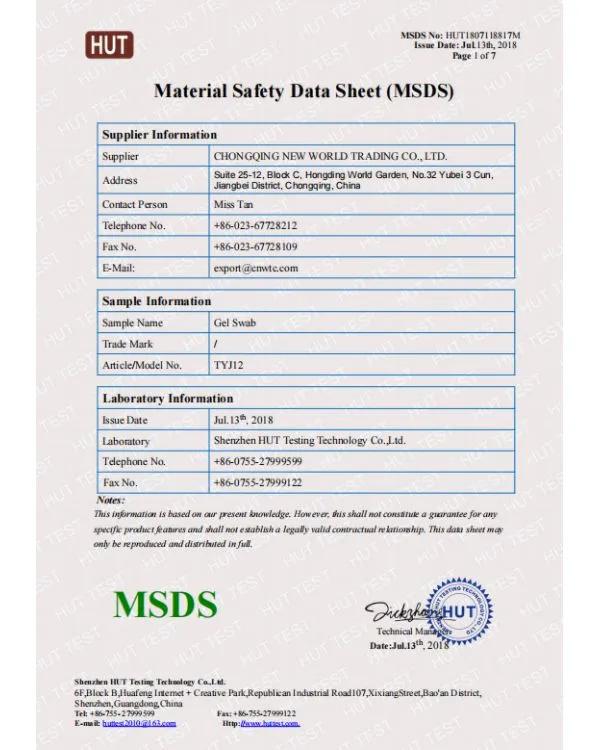
Our Certificate
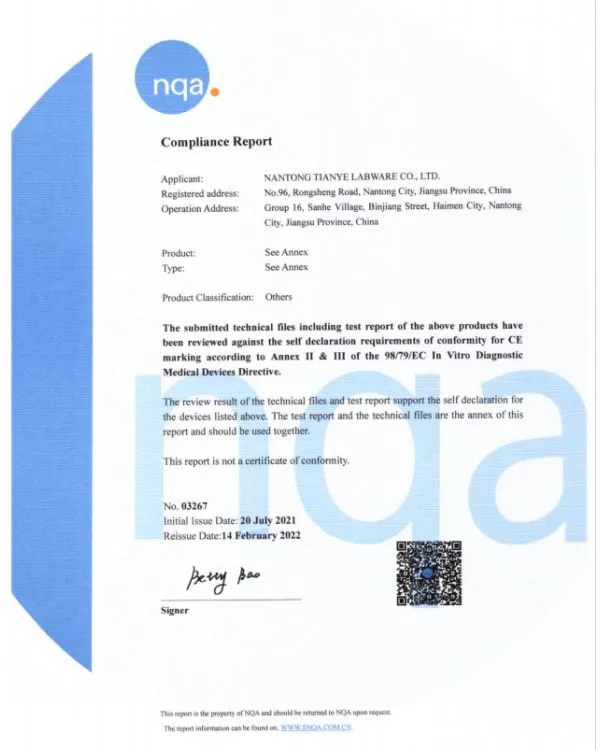
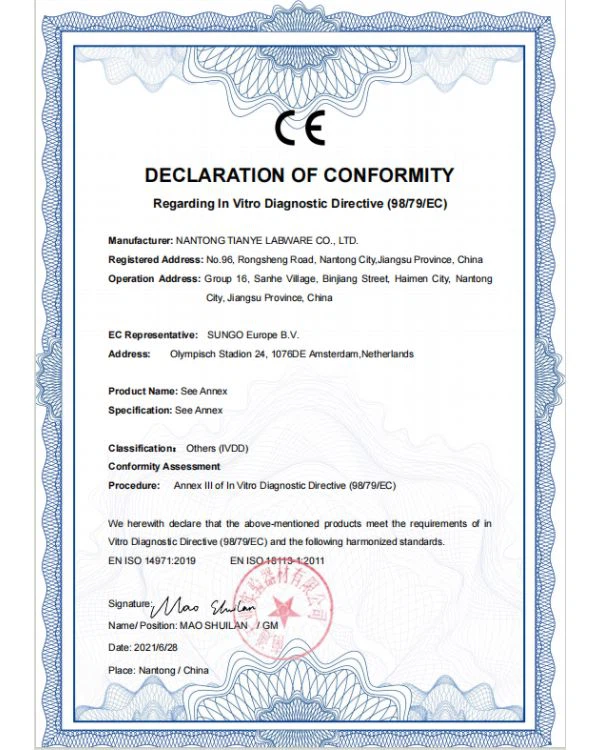
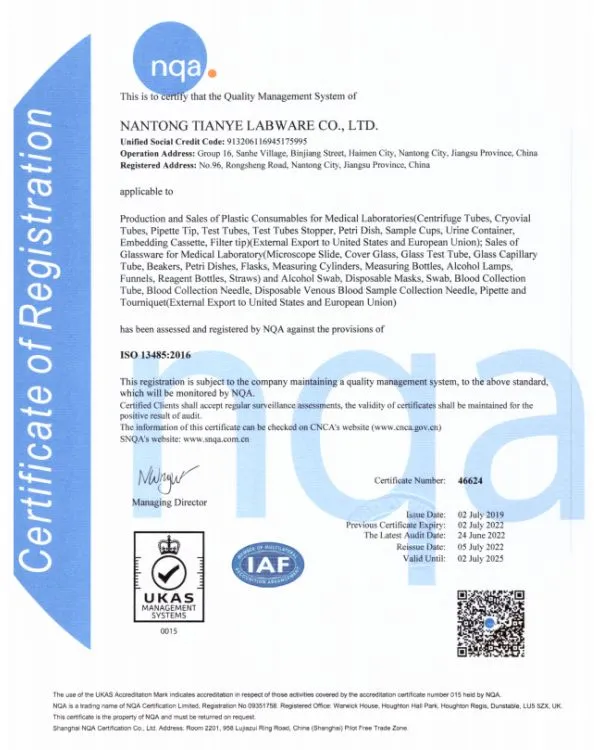
FAQ
Q: What are petri dishes made of?
Q: What are the uses of petri dishes?
Q: Can petri dishes be used for growing plants?
Q: Can petri dishes be used for storing samples?
Q: How should petri dishes be sterilized?
Q: Can petri dishes be reused?
Q: Can petri dishes be used for heating substances?
Q: Can petri dishes be used for storing food or beverages?
Q: Can petri dishes be used for measuring volume?
Q: Can petri dishes be used for microscopy?
Q: Can petri dishes be used for dna analysis?
Q: Can petri dishes be used for drug testing?
Q: Can petri dishes be used for environmental monitoring?
Q: Can petri dishes be used for educational purposes?
Q: Can petri dishes be used for veterinary diagnostics?
Q: Can petri dishes be used for food microbiology testing?
Q: Can petri dishes be used for research purposes?
Q: Can petri dishes be used for studying antibiotic resistance?
Q: Can petri dishes be used for studying biofilms?
Q: Can petri dishes be used for studying microbial interactions?
We're well-known as one of the leading petri dish manufacturers in China. If you're going to buy cheap petri dish in stock, welcome to get quotation and free sample from our factory. Good service and low price are available.
Petri Dish With Lids, Glass Petri Dish With Lids, Glass Centrifuge Tube