

Can a Gravity Bottle be used in extreme weather conditions?
Hey there! I'm a supplier of gravity bottles, and I often get asked this question: Can a gravity bottle be used in extreme weather conditions? Well, let's dive right in and find out.
First off, what exactly is a gravity bottle? A gravity bottle, also known as a pycnometer, is a piece of laboratory equipment used to measure the specific gravity or density of a liquid or a solid. We offer a variety of gravity bottles, like the Laboratory Glass 250ml 90mm Le Chatelier Chemical Specific Gravity Bottle, the Lab Glass Gay Lussac 5ml 10ml 25ml 50ml Pycnometer Specific Gravity Bottle, and the High Borosilicate Glass Laboratory Pycnometer Specific Gravity Bottle with Thermometer.
Now, let's talk about extreme weather conditions. Extreme weather can include really high temperatures, really low temperatures, high humidity, and high winds. Each of these conditions can have an impact on the performance of a gravity bottle.
High Temperatures
In high - temperature conditions, the material of the gravity bottle can expand. Most of our gravity bottles are made of glass, specifically high - borosilicate glass in some cases. High - borosilicate glass has a relatively low coefficient of thermal expansion, which means it can withstand a certain degree of temperature change without breaking or deforming too much.
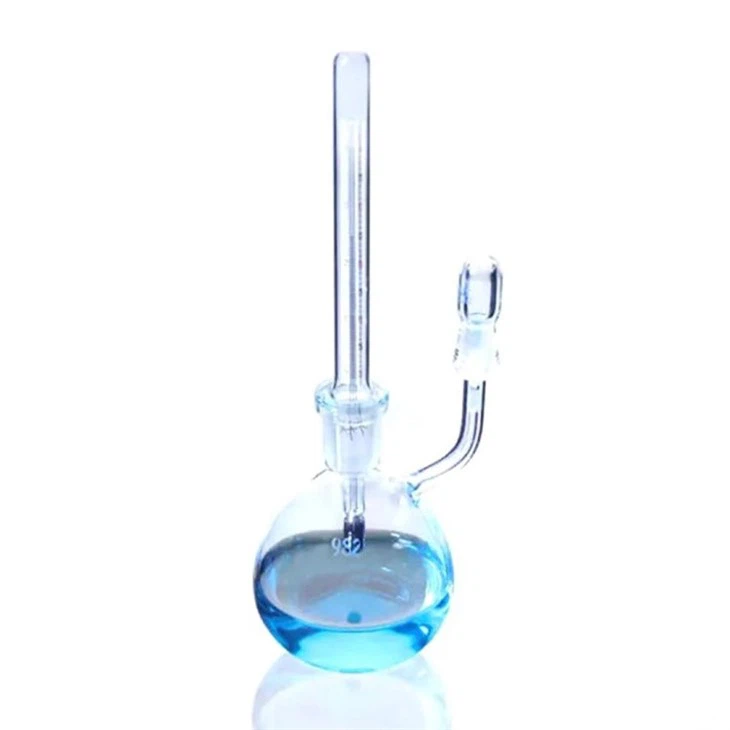
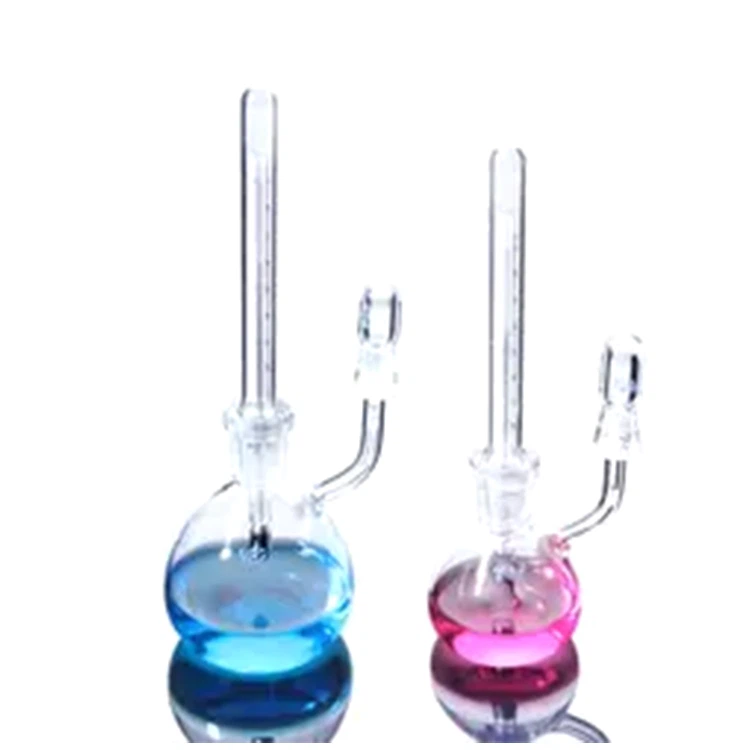
However, if the temperature gets extremely high, say above the glass's softening point, the shape of the bottle can change. This is a big problem because the accuracy of the specific gravity measurement depends on the bottle having a precise volume. If the volume changes due to thermal expansion, the measurement will be off.
For example, if you're using a gravity bottle in a desert environment where the temperature can soar during the day, you need to be careful. The heat can cause the liquid inside the bottle to expand as well, which can lead to spillage if the bottle isn't properly sealed.
Low Temperatures
On the flip side, low temperatures can also pose challenges. Glass is a brittle material, and when it gets very cold, it becomes even more prone to cracking. If the liquid inside the bottle freezes, it can expand and put pressure on the walls of the bottle. This pressure can cause the bottle to crack or even shatter.
Let's say you're doing research in Antarctica. The frigid temperatures there can be a real test for a gravity bottle. You might need to take extra precautions, like insulating the bottle or using a special type of antifreeze liquid if possible.
High Humidity
High humidity can affect the outside of the bottle. Moisture can condense on the surface of the bottle, which can make it slippery and difficult to handle. Also, if the humidity is high for a long time, it can cause corrosion on any metal parts of the bottle, such as the stopper or the thermometer (if it has one).
In a tropical rainforest, for instance, where the humidity is constantly high, you need to make sure the bottle is kept dry and clean. You might want to store it in a sealed container with a desiccant to absorb the moisture.
High Winds
High winds can be a physical hazard. If the gravity bottle is not properly secured, it can be knocked over. This is especially true if you're working outdoors, like on a research ship in a storm. The wind can also carry dust and debris, which can get into the bottle and contaminate the sample.
So, can a gravity bottle be used in extreme weather conditions? The answer is yes, but with some limitations and precautions.
If you're planning to use a gravity bottle in high - temperature areas, choose a bottle made of high - borosilicate glass. Make sure to keep the bottle in a shaded area as much as possible and avoid sudden temperature changes.
For low - temperature conditions, you can insulate the bottle or use a liquid with a low freezing point. Check the bottle regularly for any signs of cracking.
In high - humidity environments, keep the bottle dry and store it properly. And in high - wind areas, secure the bottle firmly to prevent it from being knocked over.
We understand that different customers have different needs when it comes to using gravity bottles in extreme weather. That's why we offer a wide range of products to suit various situations. Whether you need a small - volume bottle for precise measurements or a large - capacity one for bulk samples, we've got you covered.
If you're interested in purchasing our gravity bottles or have any questions about using them in extreme weather conditions, feel free to reach out to us for a detailed discussion. We're here to help you find the best solution for your specific requirements.
References
- Handbook of Laboratory Glassware and Equipment
- Principles of Thermodynamics and Their Application to Laboratory Measurements
- Glass Science and Technology: Thermal Properties of Glasses