

Transporting a nitrogen flask safely is no joke. As a nitrogen flask supplier, I've seen it all - from minor mishaps to some pretty serious situations. So, I'm here to share some tips on how to get those nitrogen flasks from point A to point B without any issues.
First things first, you gotta understand what you're dealing with. Nitrogen is a cryogenic liquid, which means it's extremely cold - like, -196°C cold. That kind of cold can cause some major problems if it's not handled right. The flasks themselves are designed to keep the nitrogen contained and at the right temperature, but they still need to be treated with care.
Pre - transport Checks
Before you even think about moving a nitrogen flask, you need to do a thorough check. Look for any signs of damage on the flask. Cracks, dents, or leaks are a big no - no. If you spot any of these, don't try to transport the flask. Instead, get in touch with a professional to assess whether it can be repaired or if it needs to be replaced.
You also want to make sure the valves are in good working condition. A faulty valve can lead to nitrogen leakage, which is not only wasteful but also dangerous. Test the valves to ensure they open and close smoothly. And don't forget to check the pressure gauge. It should show a normal pressure reading. If it's too high or too low, there could be an issue with the flask.
Choosing the Right Transport Method
The way you transport a nitrogen flask depends on how far you're going and the quantity you're moving. For short distances within a laboratory or a small facility, a hand - held cart can be a good option. Make sure the cart is sturdy and has a secure place to hold the flask. You don't want the flask tipping over during transport.
If you're moving the flasks over longer distances, you might need a vehicle. When using a vehicle, make sure the flask is properly secured. You can use straps or brackets to keep it in place. Avoid placing the flask in an area where it can be easily knocked around, like the back of an open - bed truck. Instead, put it in a well - padded area of a closed vehicle.
Protective Gear
When handling nitrogen flasks, you need to wear the right protective gear. Gloves are a must. Cryogenic gloves will protect your hands from the extreme cold. They should be thick enough to insulate your hands but still allow you to handle the flask and its valves.

Safety goggles are also essential. In case of a leak or a spill, nitrogen can cause eye damage. The goggles will shield your eyes from any splashes or vapors. And don't forget to wear a lab coat or other protective clothing. This will protect your body from any potential contact with the cold nitrogen.
Handling During Transport
During transport, be as gentle as possible with the nitrogen flask. Avoid sudden movements or jerks. These can cause the nitrogen inside to slosh around, which might increase the pressure inside the flask or even cause damage to the flask itself.
If you're transporting multiple flasks, make sure they're not touching each other. They should be spaced out to prevent any potential damage from one flask hitting another. And always keep the flask in an upright position. Laying it on its side can cause problems with the valves and increase the risk of leakage.
Storage at the Destination
Once you've transported the nitrogen flask to its destination, proper storage is crucial. The storage area should be well - ventilated. Nitrogen is an inert gas, but if there's a large leak, it can displace oxygen in the air, creating an asphyxiation hazard.
The storage area should also be cool and dry. Avoid storing the flask in direct sunlight or near heat sources. High temperatures can increase the pressure inside the flask, which is a safety risk.
Our Product Range
As a nitrogen flask supplier, we offer a wide range of high - quality flasks. For example, we have the Borosilicate Narrow Neck Glass Conical Flask Glassware Erlenmeyer Flask. This flask is made of borosilicate glass, which is known for its excellent thermal resistance. It's perfect for containing nitrogen and other cryogenic liquids.
We also have the Laboratory Standard Ground Mouth Borosilicate Glass Flask With Four Necks. This flask is great for more complex laboratory setups where multiple connections might be needed.
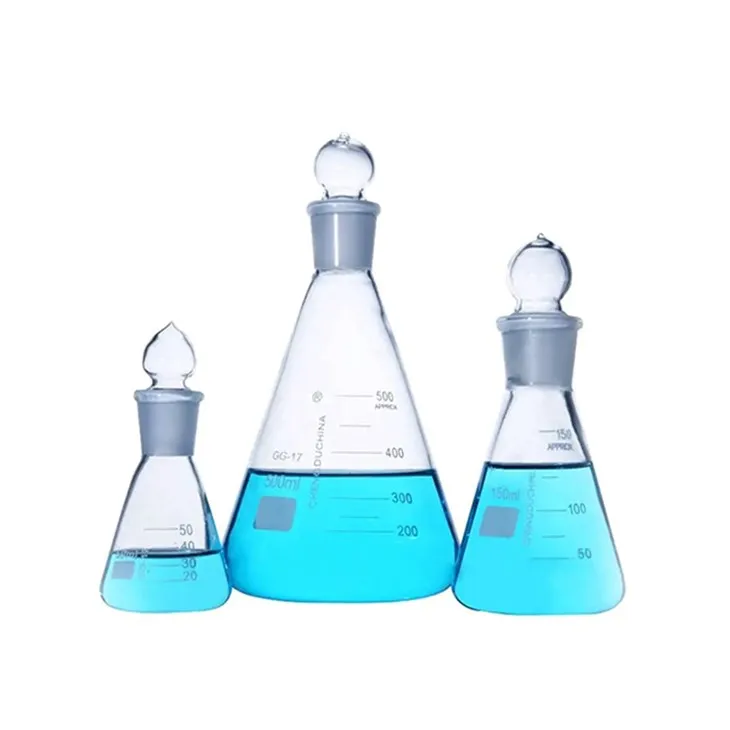
And if you're looking for a simple yet reliable option, our Lab Erlenmeyer Conical Flask With Glass Ground Stopper is a fantastic choice. It's easy to use and provides a good seal to keep the nitrogen inside.
Contact for Purchase
If you're in the market for nitrogen flasks or have any questions about their safe transport, don't hesitate to reach out. We're here to help you make the right choice and ensure that you can transport your nitrogen flasks safely.
References
- "Cryogenic Safety Guidelines", National Institute for Occupational Safety and Health.
- "Handling and Storage of Cryogenic Liquids", American Society of Mechanical Engineers.