

Hey there, fellow lab enthusiasts! As a supplier of Lab Glass Flasks, I've seen my fair share of scratched and damaged flasks over the years. It's a real bummer when you've got a beautiful piece of glassware, and it gets all scuffed up. Not only does it look bad, but it can also affect the accuracy of your experiments. So, today, I'm going to share some tips on how to avoid scratching your lab glass flasks.
Understanding the Types of Lab Glass Flasks
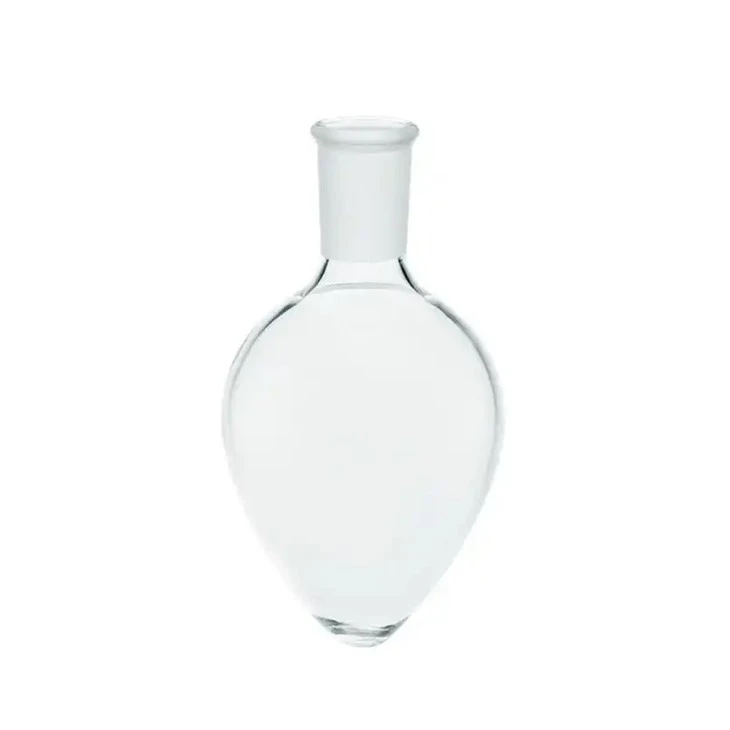
First things first, let's talk about the different types of lab glass flasks we offer. We've got a great selection, including the Laboratory Borosilicate Glass Ground Mouth Pear Shape Flask. This flask is made of high - quality borosilicate glass, which is known for its resistance to thermal shock. The ground mouth allows for a tight seal with other glassware, making it perfect for a variety of chemical reactions.
Then there's the Long Neck Round Bottom Boiling Flask with Standard Ground Mouth. The long neck helps to prevent splashing during boiling, and the round bottom distributes heat evenly. It's a classic in any lab setting.
And don't forget the Scientific Glass Conical Shape Wide Spout Iodine Flask with Stopper. This flask is designed specifically for iodine titrations and other chemical analyses. The conical shape makes it easy to swirl the contents without spilling, and the wide spout allows for easy pouring.
Proper Handling Techniques
Now, let's get into the nitty - gritty of how to avoid scratching these awesome flasks. The first and most important thing is proper handling. When you pick up a flask, always use a firm but gentle grip. Avoid squeezing too hard, as this can put unnecessary pressure on the glass and potentially cause it to crack or scratch.

Use both hands whenever possible. For example, when lifting a large flask, place one hand under the bottom for support and the other around the neck. This distributes the weight evenly and reduces the risk of dropping or mishandling the flask.
When moving a flask from one place to another, make sure the path is clear. Bumping into other objects is a common way to scratch your glassware. And if you're carrying multiple flasks at once, be extra careful not to let them rub against each other.
Storage Considerations
Storage is another key factor in preventing scratches. When you're not using your flasks, store them in a dedicated rack or cabinet. Make sure the rack is clean and free of any sharp edges or debris that could scratch the glass.
If you're stacking flasks, place a soft, non - abrasive material between them. You can use things like foam pads or felt liners. This creates a buffer and prevents the glass surfaces from rubbing against each other.
Also, keep your flasks away from rough or abrasive surfaces. Don't place them directly on a metal table or a surface with a lot of grit. Instead, use a clean, smooth surface like a glass or plastic tray.
Cleaning Procedures
Cleaning your flasks is essential, but it can also be a source of scratches if not done correctly. First of all, always use the right cleaning tools. Avoid using abrasive sponges or brushes. Instead, opt for soft, non - scratch sponges or brushes made of materials like nylon.
When cleaning the inside of the flask, be gentle. Don't scrub too hard, especially around the neck and the ground mouth area. These parts are more delicate and can be easily scratched.
If there are stubborn stains, use a mild cleaning solution. Avoid using harsh chemicals that could damage the glass. You can usually get good results with a mixture of warm water and a little bit of dish soap.
After cleaning, rinse the flask thoroughly to remove all traces of the cleaning solution. Then, dry it with a soft, lint - free cloth. Avoid air - drying, as this can leave water spots and potentially allow dust or debris to settle on the glass, which could lead to scratches later.
Using Protective Accessories
There are also some protective accessories that can help you avoid scratching your flasks. For example, you can use flask sleeves. These are made of soft materials like neoprene or silicone and fit snugly around the flask. They provide an extra layer of protection against bumps and scratches.
Another option is to use rubber stoppers with a smooth surface. When inserting or removing the stopper, make sure it doesn't scrape against the inside of the flask. A well - fitting rubber stopper can also prevent dust and debris from getting into the flask, which could cause scratches over time.
Regular Inspections
Finally, make it a habit to regularly inspect your flasks. Check for any signs of scratches, cracks, or chips. If you notice a small scratch, it's important to address it right away. You can sometimes polish out minor scratches using a glass - polishing compound.
If the scratch is deep or if there are other signs of damage, it's best to replace the flask. Using a damaged flask can compromise the accuracy of your experiments and pose a safety risk.
Conclusion
Well, there you have it! By following these tips on proper handling, storage, cleaning, using protective accessories, and regular inspections, you can keep your lab glass flasks in tip - top shape and avoid those pesky scratches.
As a Lab Glass Flask supplier, I'm always here to help you find the right glassware for your needs. If you're interested in purchasing any of our products, such as the Laboratory Borosilicate Glass Ground Mouth Pear Shape Flask, Long Neck Round Bottom Boiling Flask with Standard Ground Mouth, or Scientific Glass Conical Shape Wide Spout Iodine Flask with Stopper, feel free to reach out for a procurement discussion.
References
- General knowledge of lab glassware handling and maintenance from years of experience in the industry.
- Guidelines from glassware manufacturers on proper care and use of lab glass flasks.