

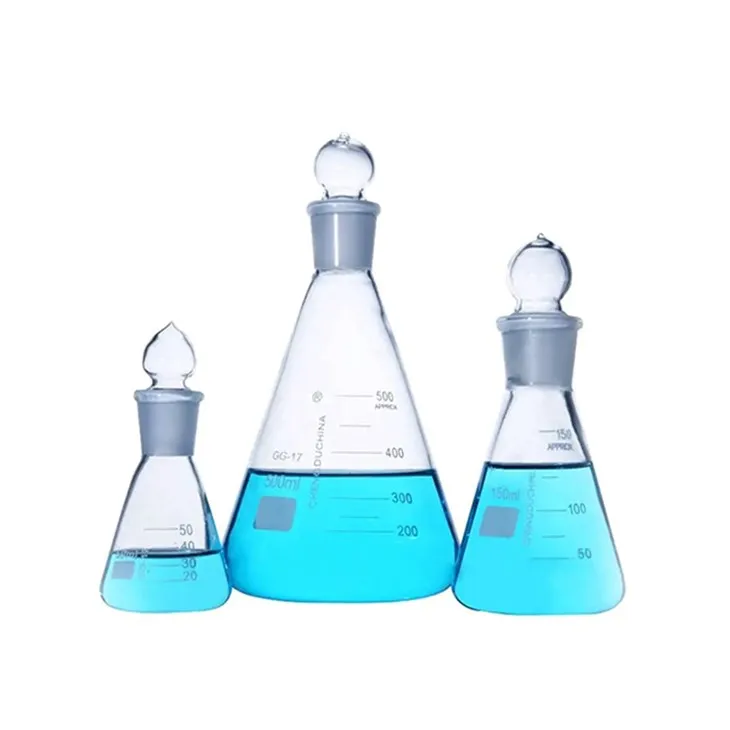
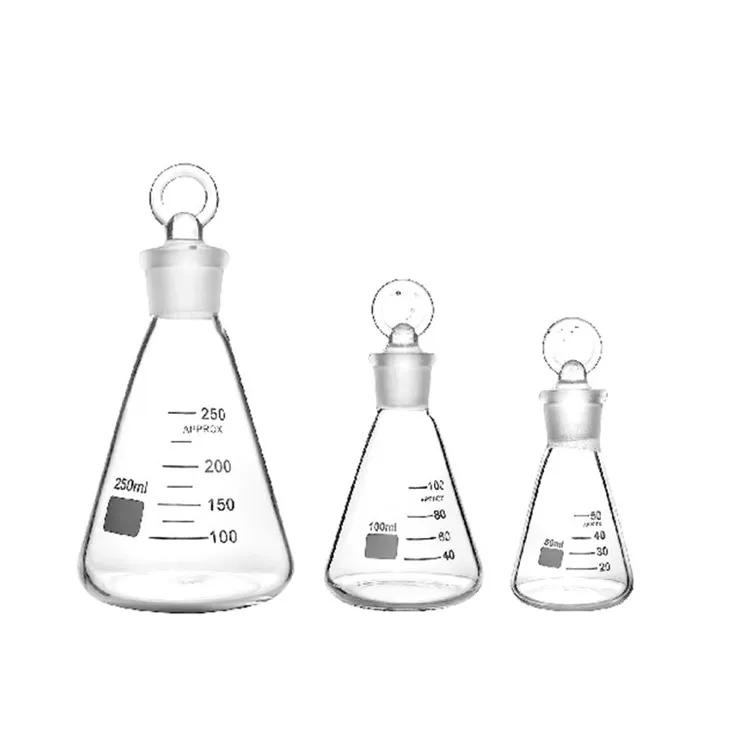
Thermal shock is a critical concern when working with lab glass flasks. As a trusted supplier of high - quality lab glass flasks, including the Lab Erlenmeyer Conical Flask With Glass Ground Stopper, Chemistry Glassware 5 - 20000ml Flask Bottle Flat Bottom Boiling Glass Flask, and Scientific Glass Conical Shape Wide Spout Iodine Flask with Stopper, I understand the importance of preventing thermal shock to ensure the longevity and safety of these essential lab tools.
Understanding Thermal Shock
Thermal shock occurs when a material experiences a rapid change in temperature. In the case of lab glass flasks, this can happen when a cold flask is suddenly exposed to high - temperature substances or vice versa. Glass is a poor conductor of heat, which means that when one part of the flask heats up or cools down much faster than another, it creates internal stress. If the stress exceeds the strength of the glass, the flask can crack or even shatter.
The consequences of thermal shock in a laboratory setting can be severe. Not only does it lead to the loss of expensive glassware, but it can also cause spills of hazardous chemicals, putting the safety of laboratory personnel at risk. Therefore, taking preventive measures is of utmost importance.
Selecting the Right Glass Flask
The first step in preventing thermal shock is to choose the appropriate glass flask for the task at hand. Different types of glass have different thermal properties. Borosilicate glass is a popular choice for lab flasks because it has a low coefficient of thermal expansion. This means that it can withstand relatively large temperature changes without cracking.
Our Lab Erlenmeyer Conical Flask With Glass Ground Stopper is made from high - quality borosilicate glass. Its design allows for efficient mixing and heating, while the glass ground stopper ensures a tight seal. The borosilicate construction makes it more resistant to thermal shock compared to other types of glass, making it suitable for a wide range of laboratory applications, including heating and cooling processes.
Pre - Heating and Pre - Cooling
To avoid sudden temperature changes, it is crucial to pre - heat or pre - cool the glass flask gradually. When heating a cold flask, start by placing it on a low - heat source, such as a warm hot plate or a water bath. Allow the flask to gradually reach the desired temperature over a period of time. This slow heating process allows the glass to expand uniformly, reducing the risk of thermal shock.
Conversely, when cooling a hot flask, do not place it directly in cold water or on a cold surface. Instead, let it cool down slowly in the air. You can also use a cooling rack or a heat - resistant mat to dissipate the heat gradually. Our Chemistry Glassware 5 - 20000ml Flask Bottle Flat Bottom Boiling Glass Flask can benefit from this pre - cooling process, especially when used in boiling or high - temperature experiments.
Using Heat - Transfer Aids
Heat - transfer aids can help distribute heat more evenly across the surface of the glass flask, reducing the likelihood of thermal shock. One common heat - transfer aid is a heating mantle. A heating mantle provides a more uniform heat source compared to a direct flame. It wraps around the flask, ensuring that the heat is applied evenly to the entire surface of the glass.
Another useful tool is a magnetic stirrer. When heating a solution in a flask, a magnetic stirrer can be used to mix the solution continuously. This helps to distribute the heat evenly throughout the liquid, preventing hot spots from forming in the flask. The Scientific Glass Conical Shape Wide Spout Iodine Flask with Stopper can be effectively used with a magnetic stirrer during heating processes to ensure uniform heat distribution.
Avoiding Direct Flame
Direct flame heating is one of the most common causes of thermal shock in lab glass flasks. A direct flame can create intense and uneven heat, which can quickly lead to cracking. If you need to heat a flask, it is recommended to use an indirect heat source, such as a hot plate or a water bath.
Hot plates provide a more controlled and uniform heat source. They allow you to set the desired temperature and maintain it consistently. Water baths are also a great option, especially for gentle heating. The water acts as a buffer, preventing the flask from being exposed to sudden temperature changes.
Handling Hot and Cold Flasks
Proper handling of hot and cold flasks is essential to prevent thermal shock. When handling a hot flask, always use heat - resistant gloves or tongs. This not only protects your hands from burns but also prevents sudden cooling of the flask due to contact with your skin.
When moving a cold flask to a warm environment or vice versa, do it slowly. Avoid any sudden movements that could cause the temperature to change rapidly. For example, if you need to transfer a cold flask from a refrigerator to a heated laboratory bench, let it sit at room temperature for a while first to allow it to gradually adjust to the new temperature.
Maintaining the Glass Flasks
Regular maintenance of lab glass flasks can also contribute to preventing thermal shock. Inspect the flasks regularly for any signs of damage, such as scratches or chips. Damaged glass is more susceptible to thermal shock because the cracks or chips can act as stress concentrators. If you notice any damage, it is best to replace the flask immediately.
Clean the flasks properly after each use. Residues from previous experiments can affect the thermal properties of the glass and make it more prone to thermal shock. Use appropriate cleaning agents and follow the recommended cleaning procedures to ensure that the flasks are clean and free of contaminants.
Training Laboratory Personnel
All laboratory personnel should be trained on the proper handling and use of lab glass flasks to prevent thermal shock. Training should include information on the causes of thermal shock, the importance of selecting the right glassware, and the proper techniques for heating, cooling, and handling flasks.
By ensuring that everyone in the laboratory is aware of these preventive measures, you can significantly reduce the risk of thermal shock and improve the overall safety and efficiency of the laboratory.
Conclusion
Preventing thermal shock in lab glass flasks is a multi - faceted process that involves selecting the right glassware, using appropriate heating and cooling techniques, and proper handling and maintenance. As a supplier of high - quality lab glass flasks, I am committed to providing products that are designed to withstand the rigors of laboratory use. Our Lab Erlenmeyer Conical Flask With Glass Ground Stopper, Chemistry Glassware 5 - 20000ml Flask Bottle Flat Bottom Boiling Glass Flask, and Scientific Glass Conical Shape Wide Spout Iodine Flask with Stopper are made from high - quality borosilicate glass, which offers excellent resistance to thermal shock.
If you are in the market for reliable lab glass flasks or have any questions about preventing thermal shock, I encourage you to contact us for further information and to discuss your specific needs. We are here to help you ensure the safety and efficiency of your laboratory operations.
References
- "Laboratory Glassware: A User's Guide" by various authors, a comprehensive guide on the selection, use, and maintenance of laboratory glassware.
- "Thermal Properties of Glass" research papers from scientific journals that discuss the thermal behavior of different types of glass.