

When it comes to maintaining the optimal performance and longevity of a gravity bottle, proper cleaning is of utmost importance. As a gravity bottle supplier, we understand the significance of using the right cleaning agents to ensure the accuracy of measurements and the overall quality of the product. In this blog post, we'll explore the various cleaning agents that are suitable for cleaning a gravity bottle, along with some best practices to follow.
Understanding the Gravity Bottle
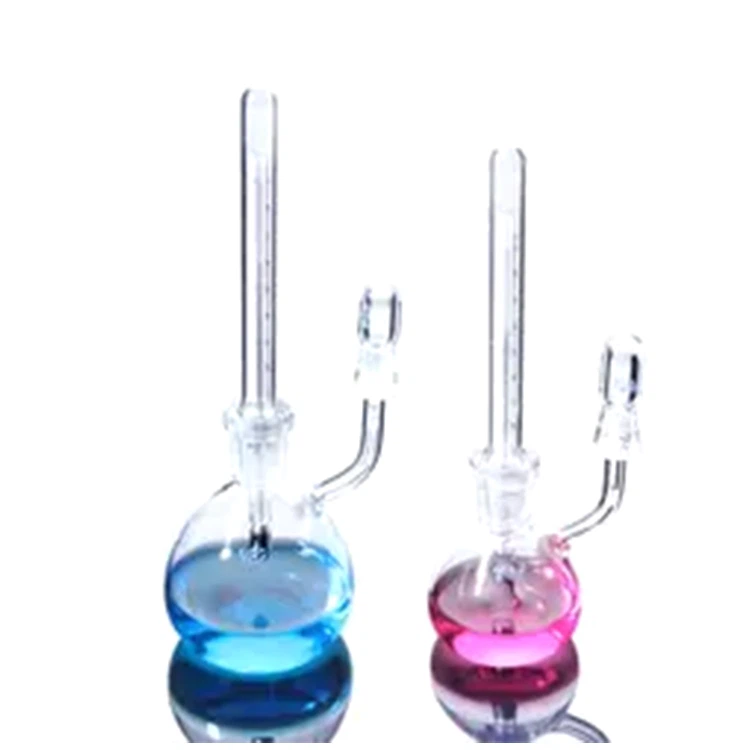
Before delving into the cleaning agents, let's briefly understand what a gravity bottle is. A gravity bottle, also known as a pycnometer, is a specialized laboratory glassware used to measure the density or specific gravity of liquids. It typically consists of a narrow neck with a well - defined volume and is calibrated to give accurate measurements. Gravity bottles come in different sizes and designs, such as the Lab Glass Gay Lussac 5ml 10ml 25ml 50ml Pycnometer Specific Gravity Bottle, High Borosilicate Glass Laboratory Pycnometer Specific Gravity Bottle with Thermometer, and Laboratory Glass 250ml 90mm Le Chatelier Chemical Specific Gravity Bottle.
General Cleaning Requirements
Gravity bottles are often used in scientific research, quality control, and industrial applications where precision is key. Therefore, the cleaning process should not only remove visible contaminants but also ensure that there are no chemical residues that could affect future measurements.
Suitable Cleaning Agents
1. Deionized Water
Deionized water is the most basic and essential cleaning agent for gravity bottles. It is free from ions and impurities that could potentially leave residues on the glass surface. After each use, the gravity bottle should be rinsed thoroughly with deionized water to remove any loose particles or liquid remnants. This initial rinse helps prevent the formation of hard - to - remove stains and deposits.
2. Mild Detergent
A mild detergent can be used to remove more stubborn contaminants such as grease, oils, or organic matter. Choose a non - abrasive, pH - neutral detergent to avoid damaging the glass. Dilute the detergent in deionized water according to the manufacturer's instructions. Fill the gravity bottle with the soapy solution and let it soak for a short period. Then, use a soft - bristle brush to gently scrub the interior surface, paying special attention to the neck and the calibrated areas. Rinse the bottle several times with deionized water to ensure that all traces of the detergent are removed.
3. Acidic Solutions
For removing inorganic deposits like metal salts or mineral residues, an acidic solution can be effective. Hydrochloric acid (HCl) and nitric acid (HNO₃) are commonly used in the laboratory for cleaning glassware. However, these acids are corrosive and should be handled with extreme care. When using an acidic solution, it is crucial to follow proper safety protocols, including wearing protective gloves, goggles, and working in a well - ventilated area.

Dilute the acid according to the recommended concentration. For example, a 10% hydrochloric acid solution can be used for light to moderate deposits. Fill the gravity bottle with the acidic solution and let it soak for an appropriate amount of time, which depends on the severity of the contamination. After soaking, rinse the bottle thoroughly with deionized water to neutralize any remaining acid. It is important to note that acidic solutions may etch the glass surface if used improperly or left on for too long.
4. Alkaline Solutions
Alkaline solutions are useful for removing organic contaminants such as proteins, fats, and certain polymers. Sodium hydroxide (NaOH) or potassium hydroxide (KOH) solutions can be used for this purpose. Similar to acidic solutions, alkaline solutions are caustic and require careful handling. Prepare a dilute solution (e.g., 1 - 2% NaOH solution) and fill the gravity bottle. Let it soak for a while, and then use a brush to clean the interior. Rinse the bottle repeatedly with deionized water to remove all traces of the alkaline solution.
5. Cleaning Solvents
In some cases, organic solvents such as ethanol or acetone can be used to remove stubborn organic residues. These solvents are highly volatile and flammable, so they should be used in a well - ventilated area away from open flames. Fill the gravity bottle with the solvent and let it sit for a short time. Then, pour out the solvent and rinse the bottle with deionized water. Make sure that all the solvent is removed before using the bottle for measurement.
Best Practices for Cleaning
- Pre - cleaning Inspection: Before starting the cleaning process, inspect the gravity bottle for any visible damage or cracks. A damaged bottle may not give accurate measurements and should be replaced.
- Proper Rinsing: After using any cleaning agent, rinse the gravity bottle at least 5 - 6 times with deionized water to ensure that all residues are removed.
- Drying: After cleaning, dry the gravity bottle properly. You can either let it air - dry in an inverted position or use a clean, lint - free cloth to pat it dry. Avoid using a high - heat source to dry the bottle, as it may cause the glass to expand and affect its calibration.
Conclusion
Proper cleaning of a gravity bottle is essential to maintain its accuracy and functionality. By using the right cleaning agents and following best practices, you can ensure that your gravity bottle remains in excellent condition for a long time. Whether you are using our Lab Glass Gay Lussac 5ml 10ml 25ml 50ml Pycnometer Specific Gravity Bottle, High Borosilicate Glass Laboratory Pycnometer Specific Gravity Bottle with Thermometer, or Laboratory Glass 250ml 90mm Le Chatelier Chemical Specific Gravity Bottle, the right cleaning routine will help you get the most out of your investment.
If you are interested in purchasing high - quality gravity bottles or have any questions regarding cleaning and maintenance, we invite you to contact us for procurement and further discussion. We are committed to providing you with the best products and support for your laboratory needs.
References
- "Laboratory Glassware Cleaning Guide", published by a leading laboratory equipment manufacturer.
- "Principles of Analytical Chemistry", a well - known textbook on analytical techniques.