

Hey there! As a supplier of glass burettes, I often get asked about how to clean the stopcock of a glass burette. It's a crucial part of maintaining the accuracy and longevity of these essential lab tools. So, let's dive right into it!
Why Cleaning the Stopcock Matters
First off, why should you even bother cleaning the stopcock? Well, the stopcock controls the flow of liquid in the burette. If it gets clogged or dirty, it can affect the precision of your measurements. A dirty stopcock might also leak, which is a big no - no in any lab setting. Plus, if you're using different solutions in your burette, residue from previous experiments can contaminate new samples, leading to inaccurate results.
Tools You'll Need
Before we start the cleaning process, let's gather the necessary tools. You'll need some distilled water, a small brush (like a pipe cleaner or a specialized burette brush), a mild detergent (preferably one that's safe for glass), and some lint - free cloths.
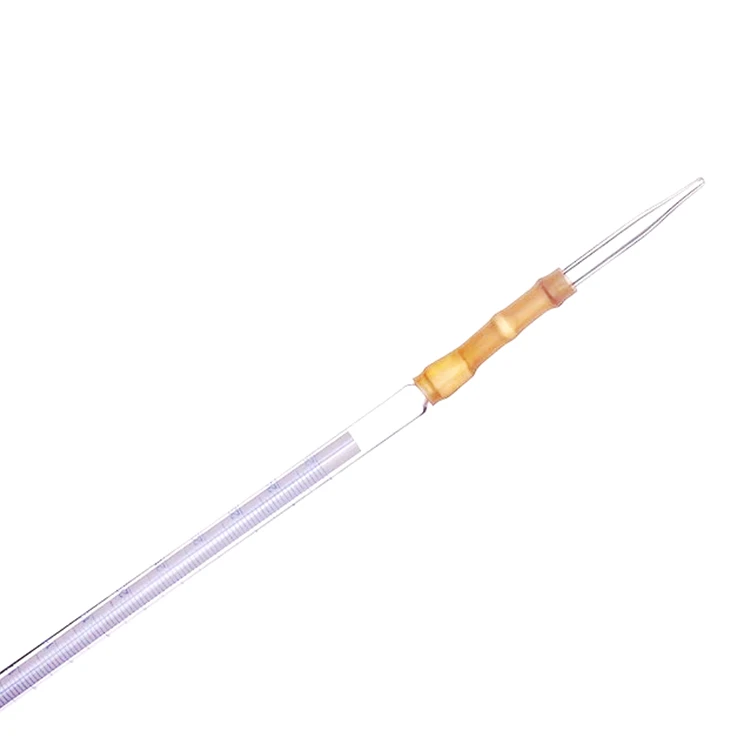

Step - by - Step Cleaning Process
1. Disassemble the Stopcock (if possible)
Some stopcocks can be disassembled, which makes cleaning a whole lot easier. Carefully remove the stopcock plug from the burette body. Be gentle to avoid breaking the glass. If you're not sure how to disassemble it, refer to the user manual that came with your burette.
2. Rinse with Distilled Water
Start by rinsing the stopcock and the burette body with distilled water. This helps to remove any loose particles or residues. Fill the burette with distilled water and let it run through the stopcock a few times. You can do this by opening and closing the stopcock slowly.
3. Prepare the Cleaning Solution
Mix a small amount of mild detergent with distilled water in a container. Make sure the solution is not too concentrated, as strong detergents can damage the glass.
4. Soak the Stopcock
If the stopcock is removable, soak it in the cleaning solution for about 15 - 20 minutes. This will help to loosen any stubborn dirt or grease. If the stopcock is not removable, fill the burette with the cleaning solution and let it sit for a while, making sure the solution reaches the stopcock area.
5. Scrub the Stopcock
Use the small brush to gently scrub the inside of the stopcock. Pay special attention to the grooves and the area where the plug fits. Be careful not to scratch the glass. You can also use the brush to clean the outside of the stopcock and the burette body.
6. Rinse Thoroughly
After scrubbing, rinse the stopcock and the burette with plenty of distilled water. Make sure all the detergent is removed. You can do this by filling the burette with distilled water and running it through the stopcock several times.
7. Dry the Stopcock
Use a lint - free cloth to dry the stopcock and the burette. Make sure there are no water droplets left, as they can leave spots or affect the performance of the stopcock. You can also let the burette air - dry for a while.
Special Cases
1. Stubborn Residues
If you're dealing with stubborn residues, you might need to use a more specialized cleaning agent. For example, if you have organic residues, you can try using a small amount of ethanol or acetone. However, be very careful when using these solvents, as they are flammable and can damage some types of rubber components in the burette. Always follow the safety guidelines when using such chemicals.
2. Corrosion
If you notice any signs of corrosion on the stopcock, it's a serious issue. Corrosion can affect the performance of the stopcock and even make it unusable. In this case, it's best to replace the stopcock or the entire burette. You can check out our Chemistry Lab Boro 3.3 Alkaline 50ml 100ml Burette with Rubber Tubing Collection or Lab Boro 3.3 Amber 10ml 50ml Burette with Straight Stopcock for high - quality replacements.
Maintenance Tips
- After each use, rinse the burette and the stopcock with distilled water. This will prevent the build - up of residues.
- Store the burette in a clean and dry place. Make sure it's protected from dust and other contaminants.
- If you're not going to use the burette for a long time, it's a good idea to lubricate the stopcock with a small amount of stopcock grease. This will prevent the stopcock from sticking.
Conclusion
Cleaning the stopcock of a glass burette is not a difficult task, but it's very important for the accuracy and longevity of your equipment. By following these steps and maintenance tips, you can ensure that your burette works properly for a long time.
If you're in the market for a new glass burette, we've got a great selection. Check out our Glass 10ml 25ml 50ml 100ml Acid Burette with Straight Stopcock in Lab. We're always here to help you with your lab equipment needs. If you have any questions or want to discuss a purchase, feel free to reach out. We'd love to have a chat and help you find the perfect glass burette for your lab.
References
- General laboratory safety and glassware cleaning guidelines from standard chemistry lab manuals.
- Manufacturer's instructions for glass burettes.